
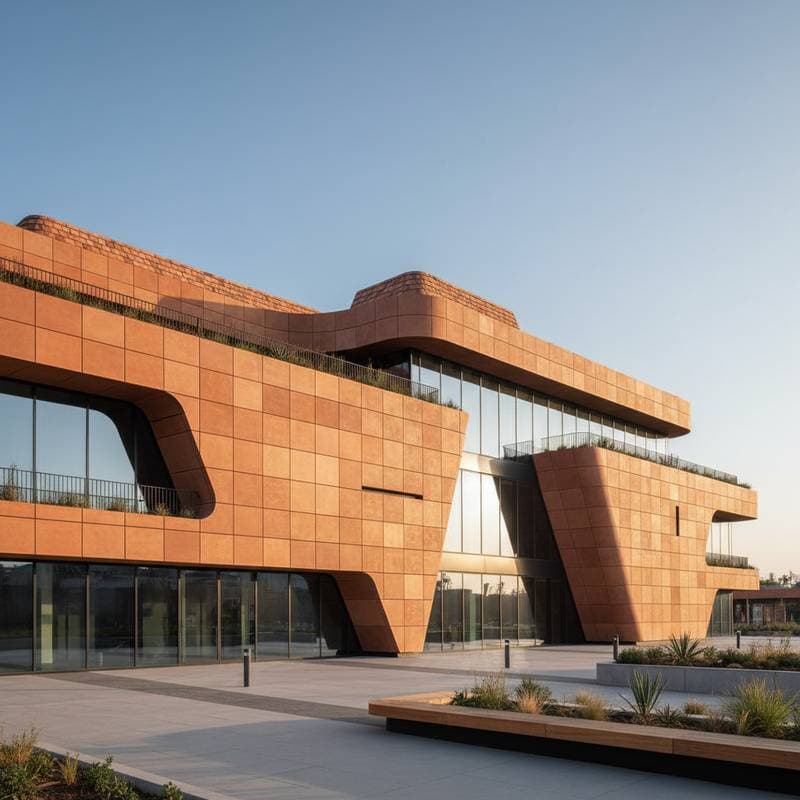
Why Terracotta is Staging an Architecture Comeback
Have you noticed more buildings using warm, reddish-brown tiles or panels lately? That earthy texture and color you are seeing is terracotta, a material that is making a quiet but steady comeback in modern architecture. Once seen mainly on older buildings or traditional roofs, terracotta is now showing up on sleek apartment buildings, public spaces, and even high-end homes.
Many homeowners and designers are drawn to its natural look and durable performance. If you have ever admired a building that felt warm, solid, and timeless, there is a good chance terracotta played a part.
So why is this ancient material suddenly popular again, and should you consider it for your own project?
The Appeal of an Old Material with Modern Strength
Terracotta has been used for centuries, yet builders today are finding new ways to use it. The reason is simple. It combines the charm of handmade craft with the reliability of modern production.
It is made from natural clay that is shaped and fired at high heat, giving it a deep color and strong surface. The result is a material that resists fading, mold, and fire, while keeping a rich, organic look. Modern versions are even engineered with hollow cores or special coatings that improve insulation and weather resistance.
When you compare it to synthetic cladding or painted surfaces, terracotta often lasts longer and looks better over time. It does not peel, it rarely needs repainting, and it weathers gracefully.
Why Designers and Builders Are Choosing Terracotta
Several trends are pushing terracotta back into the spotlight.
-
Sustainability
Terracotta is made from natural clay, which is widely available and recyclable. It does not release harmful chemicals, and it can be reclaimed or crushed for reuse. For projects focused on reducing environmental footprints, this is a major plus. -
Visual Warmth
Many modern materials can look cold or industrial. Terracotta softens that effect. Its earthy tone pairs well with glass, concrete, and steel, giving a building a more balanced and human feel. -
Durability
Properly installed terracotta can last for decades with minimal upkeep. It stands up to harsh weather, moisture, and UV exposure. That longevity makes it a cost-effective choice even if the upfront price is higher. -
Versatility
Terracotta is not limited to roof tiles anymore. You can find it as cladding panels, sunshades, floor tiles, or even decorative screens. Manufacturers now offer multiple finishes, shapes, and colors, from deep red to soft beige.
The Pros and Cons You Should Know
Before jumping on the terracotta trend, it helps to weigh both sides.
Pros:
- Long lifespan with little maintenance
- Natural and eco-friendly composition
- Excellent fire and weather resistance
- Distinctive look that complements many styles
Cons:
- Higher initial cost than vinyl or composite siding
- Heavier weight, which may need stronger framing
- Can crack if installed improperly or exposed to sharp impacts
If you are working with an architect or contractor, ask about structural support and installation methods before deciding. Proper mounting systems make a big difference in performance and appearance.
Where Terracotta Works Best
Terracotta fits a surprising range of projects.
- Home exteriors: It adds texture and character without looking dated.
- Roofing: Classic clay tiles remain one of the most durable roofing options.
- Interior walls: Glazed terracotta tiles bring warmth to kitchens and bathrooms.
- Public buildings or offices: Large terracotta panels can create striking facades that age gracefully.
You can even mix terracotta with wood or metal for a more modern contrast. Designers often use it as an accent material around entryways or courtyards to add a natural touch.
How to Use Terracotta in Your Own Project
If you want to bring terracotta into your home or building design, start simple.
- Set your budget. Material costs vary depending on size, color, and finish. Basic terracotta tiles might cost a few dollars per square foot, while specialty cladding systems can be several times more.
- Choose your style. Decide if you want a traditional look or something sleek and modern. Smooth panels lean modern, while handmade tiles offer a rustic charm.
- Plan installation carefully. Terracotta can be heavy, so your contractor may need to reinforce walls or roofs. Always hire installers who have experience with clay materials.
- Think about maintenance. While it needs little upkeep, occasional cleaning with gentle soap and water keeps it looking fresh. Avoid harsh chemicals that can dull the surface.
If you are not ready for a full exterior project, you can still use terracotta in smaller ways. A terracotta tile backsplash, planter border, or outdoor bench can give your space that same earthy warmth.
Practical Considerations Before You Commit
Terracotta is not a quick weekend project. It takes time to order, prepare, and install. Lead times can be longer if you choose custom colors or shapes. You may also need to factor in delivery costs, which can be higher because of the material’s weight.
For large buildings, some areas require permits or engineering inspections to confirm structural safety. Always check local building codes before beginning.
If budget is tight, consider mixing terracotta with more affordable materials. For example, you could use terracotta panels only on the front facade and complement the rest with stucco or fiber cement. This approach reduces cost without losing design impact.
Making It Happen
If you love the idea of adding warmth and character to your space, terracotta can be a smart long-term investment. It suits both traditional and contemporary designs and connects your home or building to a natural, grounded aesthetic.
Start by exploring samples from local suppliers or showrooms. Touch the surface, compare finishes, and picture how the color changes in sunlight. Once you see how rich and textured it feels, you will understand why so many architects are turning back to it.
Terracotta’s comeback is not about nostalgia. It is about rediscovering a material that truly works, both visually and practically. With the right planning and care, it can give your property a timeless quality that stands strong for decades to come.