
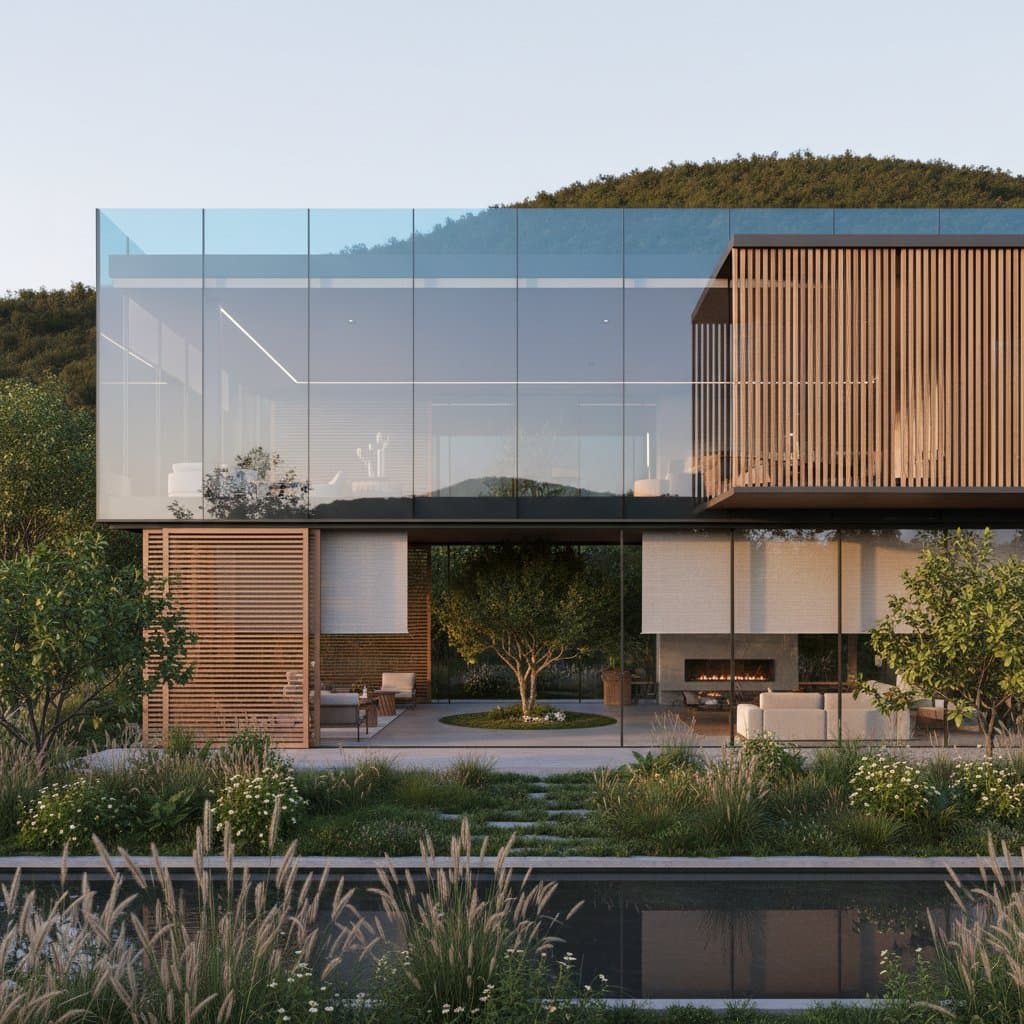
Glass Homes: Mastering Privacy in Transparent Design
So you have been captivated by the elegance of glass homes. The way sunlight pours through expansive walls, the seamless connection to nature, the sense of openness that feels both modern and timeless. It feels like living inside a piece of art. Yet as that first wave of excitement settles, reality starts to whisper. How do you protect your privacy when your walls are transparent? How do you make a glass house feel warm, secure, and truly livable?
You are not alone in asking those questions. The appeal of transparent architecture is undeniable, yet the balance between openness and discretion requires thoughtful design. The good news is that you can create a glass home that feels both inviting and private, without sacrificing the light and connection that drew you to this style in the first place.
The Allure and the Challenge of Glass Living
The beauty of a glass home lies in how it dissolves boundaries. You wake up to a sunrise that floods your living room with amber light, and your garden becomes a living mural that changes with the seasons. The transparency encourages a sense of calm and space. Yet, it also invites another kind of exposure. Every view in, after all, is a view out.
The challenge comes down to control. You want to enjoy natural light and views, but you also want to decide when and how to reveal your private life. Mastering privacy in transparent design means thinking about placement, materials, and technology from the beginning, not as an afterthought.
Designing Privacy from the Ground Up
A successful glass home does not rely on blinds or curtains alone. It begins with smart architectural planning. When you work with your designer or builder, consider how the structure interacts with its surroundings. Privacy often starts long before the glass panels go up.
- Site Orientation: Position the home so that the most transparent walls face natural views rather than neighboring properties. Use topography, trees, or existing structures to your advantage. A hillside lot or wooded setting can provide a natural screen.
- Zoning Interior Spaces: Place private areas like bedrooms and bathrooms deeper within the floor plan. Let shared spaces such as the living room or kitchen occupy the more exposed sections.
- Layered Transparency: Mix fully transparent glass with frosted, tinted, or textured panels. This creates visual rhythm while maintaining privacy where needed.
These strategies let you keep that airy openness while still feeling protected and comfortable.
Materials that Protect Without Hiding
Not all glass is created equal. The type of glass you choose shapes how the home functions day to night. The right material can soften glare, block unwanted views, and even regulate temperature.
- Frosted or Etched Glass: Perfect for bathrooms or hallways. It allows light to pass through while obscuring details.
- Tinted Glass: Reduces visibility from outside during daylight hours. Popular in living areas where you want both brightness and discretion.
- Smart Glass: Uses technology to change from transparent to opaque with the touch of a button. Ideal for flexible privacy in multi-use spaces.
- Reflective Coatings: Provide mirror-like privacy during the day. These can be paired with interior lighting control to maintain privacy after dark.
By combining these materials, you can shape the experience of transparency throughout the day instead of living in a fishbowl.
Landscaping as a Living Shield
Nature itself can be your most beautiful privacy tool. Strategic landscaping can frame views while softening exposure. Think of greenery not as decoration but as part of your architectural palette.
- Layered Planting: Use trees, shrubs, and climbing plants to build depth around the perimeter. This creates a natural barrier that filters light and sightlines.
- Green Walls and Trellises: Vertical gardens provide privacy without blocking sunlight. They add texture and color to the glass surfaces.
- Water Features: The soft sound of running water not only enhances tranquility but also masks noise, creating a sense of seclusion.
In urban settings, planters or bamboo screens can substitute for large trees. Even small courtyards or patio gardens can make a glass home feel intimate and private.
Interior Solutions that Balance Light and Privacy
Inside, you have countless ways to manage transparency without closing yourself off. The key is flexibility. You want to adapt your space depending on the time of day or activity.
- Sheer Curtains: Offer gentle diffusion of light while keeping interiors soft and inviting.
- Layered Window Treatments: Combine sheer panels with heavier drapes for adjustable coverage.
- Sliding Panels or Screens: Use wood, metal, or fabric panels that can move along tracks. These introduce texture and pattern, breaking up expanses of glass.
- Furniture Placement: Position large pieces like bookcases or partition walls to shield certain angles without blocking the view entirely.
This approach turns privacy into part of your interior design rather than something that hides it.
Smart Technology and Control
Modern glass homes often integrate technology that enhances both comfort and privacy. Automated systems allow you to control glass opacity, lighting, and even shading with precision.
- Automated Blinds: Hidden within frames, these rise or fall silently at the touch of a button or through preset schedules.
- Dynamic Glass: Adjusts transparency levels automatically based on light conditions. It keeps interiors bright without glare while maintaining privacy.
- Integrated Lighting: Exterior lighting can influence how visible your home appears at night. Use subtle, downward-facing fixtures to prevent your interior from becoming a display.
These tools help you manage visibility intelligently, giving you privacy without darkening your space.
Safety, Cost, and Maintenance Considerations
While glass architecture is stunning, it requires planning and investment. Understanding the practical side ensures that beauty lasts.
- Safety: Always choose tempered or laminated glass for structural walls. These materials resist impact and, if broken, shatter safely into small pieces.
- Energy Efficiency: Double or triple glazing improves insulation and reduces energy costs. Low-emissivity coatings can help maintain comfortable indoor temperatures.
- Cleaning and Maintenance: Large glass surfaces demand regular cleaning. Consider self-cleaning coatings or easy-access window designs to simplify care.
- Cost: Expect to invest more in specialized glass and hardware, but the payoff is long-term comfort and value. For example, smart glass and automated shading systems can range widely, so discuss options with your contractor before finalizing your design.
If you are working with a tight budget, mix premium glass in key areas with standard glazing elsewhere. You still achieve the design impact without overspending.
Privacy by Design, Not Compromise
Many homeowners fear that adding privacy elements will dull the drama of a glass home. In reality, thoughtful integration makes the design richer. A frosted panel next to a clear one creates contrast and intrigue. A stand of bamboo outside a window filters sunlight into gentle patterns on the floor. Privacy becomes part of the story your home tells.
When you collaborate with an experienced architect or contractor, you can weave these details seamlessly into the structure. If you are ready to explore this path, post your project on doricsouth.com for free. You will be matched with vetted professionals who understand both the artistry and the technical demands of transparent architecture.
Living Comfortably with Transparency
Once your glass home is complete, daily life feels transformed. Morning light fills every corner, the landscape becomes part of your decor, and evenings glow softly as the interior lights reflect off the glass. Yet what truly makes it livable is the sense of control. You decide when to open your space to the world and when to retreat into privacy.
Living comfortably in a transparent home is about balance. It is about pairing openness with subtle boundaries, technology with nature, and modern design with timeless comfort. When that balance is achieved, your glass home becomes more than a structure. It becomes a sanctuary that reflects both the world outside and the life you create within it.