
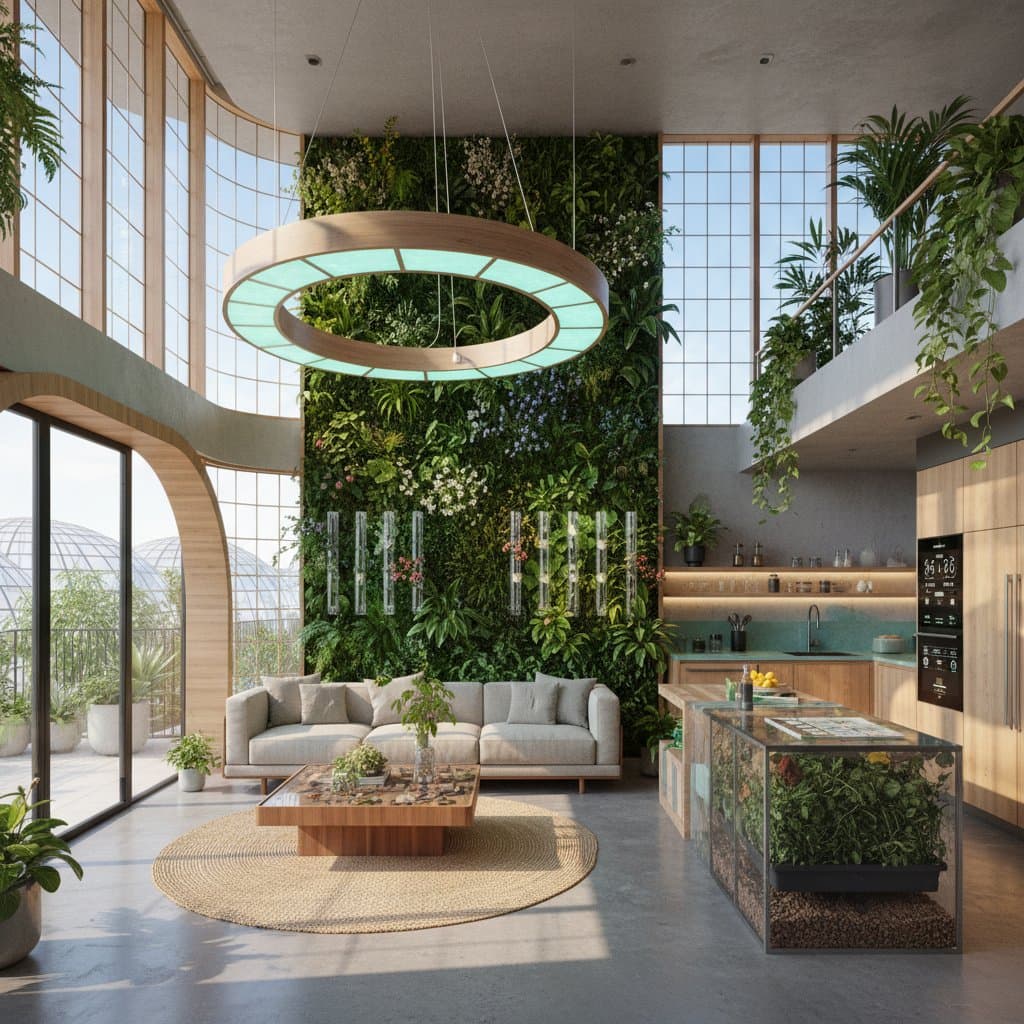
Solarpunk Homes: Eco-Futurism's Optimistic Vision
Imagine a residence enveloped in verdant foliage, with solar panels reflecting sunlight and walls that integrate seamlessly with surrounding vegetation. Homeowners increasingly inquire if such self-sustaining, nature-integrated dwellings exist beyond imagination. The response affirms this possibility, as it forms the essence of the emerging solarpunk movement.
Solarpunk residences fuse advanced sustainable technologies with organic design principles. These structures transcend speculative fiction to embody a realistic, forward-looking strategy for harmonious environmental coexistence. For individuals seeking to lower energy expenses, diminish grid dependency, or establish a benchmark for ecological durability, solarpunk principles provide a structured and attainable framework.
What Defines a Solarpunk Residence
Solarpunk architecture integrates renewable energy solutions, eco-conscious building materials, and profound reverence for the natural world. This approach extends beyond mere innovations or stylistic novelties to represent a comprehensive lifestyle philosophy emphasizing autonomy, communal bonds, and planetary stewardship.
Key elements typically found in a solarpunk home include:
- Passive solar design that maximizes natural illumination and thermal regulation.
- Green roofs or living walls which enhance insulation and purify ambient air.
- Rainwater harvesting systems suitable for landscaping or domestic applications.
- Solar photovoltaic panels paired with battery storage to deliver consistent, emission-free electricity.
- Materials sourced locally to minimize transport-related carbon footprints.
- Intelligent automation systems that optimize resource consumption.
Fundamentally, solarpunk design seeks equilibrium between human habitation and ecological systems. It prompts residents to prioritize functionality, longevity, and well-being over superficial appeal.
Initiating the Shift to Solarpunk
Existing property owners need not undertake complete reconstructions to embrace solarpunk elements. Numerous enhancements integrate effectively into current setups, starting with modifications that yield substantial energy efficiencies and enhanced livability.
-
Transition to solar electricity generation. Residential solar installations generally range from 12,000 to 25,000 dollars, influenced by system capacity and regional factors. Government incentives and rebates substantially offset initial outlays, with contemporary panels recouping costs in 10 to 12 years via reduced utility payments.
-
Enhance thermal barriers and glazing. Superior insulation in walls combined with double- or triple-glazed windows can decrease heating and cooling expenditures by as much as 30 percent. Select options certified for specific climatic conditions to maximize effectiveness.
-
Implement rainwater capture mechanisms. An entry-level configuration featuring a 50-gallon cistern and basic filtration costs approximately 300 dollars. Sophisticated variants that connect to automated irrigation or greywater treatment may escalate to 3,000 dollars.
-
Incorporate botanical features. Vegetated rooftops and vertical plantings epitomize solarpunk visuals. Initial green roof applications begin at about 20 dollars per square foot, offering benefits like thermal regulation, atmospheric filtration, and flood mitigation.
-
Deploy intelligent residential controls. Devices such as energy trackers, occupancy detectors, and programmable climate regulators minimize inefficiencies while providing granular oversight of consumption patterns.
These modifications require no simultaneous execution. Gradual implementation aligns with budgetary constraints and facilitates evaluation of optimal configurations for individual sites.
Signature Design Elements of Solarpunk
Solarpunk draws from biophilic principles, embedding natural motifs into constructed environments. This involves amplified natural light exposure, abundant vegetation, and tactile, earth-derived substances over artificial alternatives.
Maximizing Illumination and Volume
Expansive fenestration, roof apertures, and fluid interior layouts permit sunlight penetration throughout interiors. Such arrangements curtail reliance on electric illumination, elevate psychological well-being, and boost operational efficiency. In temperate zones, southward orientations harness winter warmth, supplemented by overhangs to avert summer excess heat.
Organic Building Substances
Renewable options like bamboo planking, salvaged timber, and earthen plasters prevail in solarpunk selections. These choices boast replenishable origins and diminished production emissions. Utilizing repurposed elements infuses uniqueness while curbing waste accumulation.
Fluid and Atmospheric Regulation
Heat-recovery ventilators introduce outdoor air sans thermal loss. Greywater reclamation circuits repurpose laundry or bathing effluents for non-potable needs like watering. Collectively, these form cyclical processes that preserve vital resources.
Seamless Environmental Fusion
Solarpunk dwellings dissolve distinctions between interior and exterior realms. Edible landscapes, enclosed patios, or attached conservatories expand usable areas. Progressive owners cultivate produce continuously via tiered planters or aquaponics, which synergize aquaculture with hydroponics.
Financial Considerations, Upkeep, and Value Recovery
Constructing or adapting a solarpunk dwelling demands upfront capital, yet yields enduring fiscal and ecological dividends. Expenditures fluctuate with scale, selections, and geography; new constructions span 200 to 400 dollars per square foot. Adaptations to sturdy extant buildings prove more economical.
Upkeep for photovoltaic arrays and vegetated surfaces remains straightforward yet essential. Photovoltaics benefit from biannual cleansing to sustain output. Vegetated roofs demand supplemental watering and selective pruning during establishment phases.
Anticipated Financial Recoupment
- Photovoltaic installations: 10 to 12 years, contingent on regional tariffs and subsidies.
- Thermal enhancement retrofits: 5 to 8 years through diminished fuel demands.
- Hydrological conservation setups: 6 to 10 years, scaled to consumption volumes.
- Automated control networks: Instantaneous usability gains alongside sustained efficiency reductions.
Beyond monetary aspects, these enhancements elevate market appeal and operational economies. They confer assurance via self-reliance and mitigated ecological footprints.
Regulatory Compliance, Security, and Expert Assistance
Solarpunk modifications frequently entail wiring, framing, or plumbing alterations subject to jurisdictional standards. Consult municipal authorities prior to substantial undertakings. Photovoltaic arrays, rooftop alterations, and hydrological installations often necessitate approvals.
Certain endeavors, such as insulating additions or cistern placements, suit self-directed efforts. However, electrical, roofing, and piping tasks demand certified specialists. Professionals guarantee seamless interoperability and eligibility for fiscal incentives.
Safety protocols remain paramount. Electrical integrations must adhere to national codes to prevent hazards like fires or shocks. Structural reinforcements for green roofs require engineering assessments to withstand added loads. Water systems demand contamination safeguards to protect potable supplies. Engaging qualified overseers mitigates risks and ensures longevity.
Communal Ties and Habitual Transformations
Authentic solarpunk living extends beyond isolated structures to foster collective endeavors. Collaborative allotments, regional power collectives, and area-wide organic waste initiatives amplify the ethos across neighborhoods. Such networks facilitate expertise sharing, resource pooling, and collective fortitude.
Residing in solarpunk settings reshapes routines. Heightened resource mindfulness, deepened natural immersion, and proactive conservation emerge naturally. These incremental adjustments compound into profound, widespread influences.
Realizing Your Solarpunk Vision
To pursue solarpunk ideals, assess your current dwelling's consumption patterns, ergonomic qualities, and ecological synergies. Establish feasible objectives and advance methodically. Commence with accessible shifts, including efficient luminaires or responsive outlets, before advancing to photovoltaic or architectural overhauls.
Solarpunk residences materialize as tangible exemplars of progressive habitation. Through pragmatic unions of innovation and ecology, they yield vibrant, streamlined sanctuaries attuned to their environs. Such homes generate vitality, refine atmospheres, and sustain biodiversity, embodying eco-futurism in routine application.