
Cottagecore Revival: Integrating Storybook Aesthetics with Contemporary Design
Picture approaching a residence along a meandering stone walkway, surrounded by blooming roses and trailing ivy. Warm illumination spills from the panes, the roof curves gracefully, and each element appears meticulously fashioned. This scene captures the spirit of the cottagecore resurgence. Individuals seek the allure of fairy-tale dwellings while prioritizing the ease, productivity, and utility of current architecture. The outcome yields a aesthetic that evokes the past yet performs seamlessly in everyday routines.
Reasons for the Cottagecore Resurgence
Numerous residents gravitate toward the tranquility and uniqueness provided by cottagecore architecture. Unlike streamlined, sparse builds, these structures emphasize surface variation, motifs, and artisanal quality. They evoke a more deliberate rhythm and deeper bond with the environment. Cottage-inspired residences often convey a sense of personalization, sometimes playful, while incorporating robust substances, power-conserving mechanisms, and intelligent configurations suited to present-day existence.
Achieving equilibrium between historical appeal and current demands presents a key hurdle. Success depends on harmonizing rustic features with up-to-date efficacy.
Essential Features of Cottagecore Architecture
Fundamentally, cottagecore draws inspiration from ancient European dwellings and narrative-inspired houses. Common traits include pitched gables, rounded eaves, visible rafters, and curved entrances. Substances typically involve organic options like rock, masonry, or timber, paired with subdued, ground-toned schemes.
Key components include:
- Irregular forms that foster an intimate, natural appearance
- Varied exteriors crafted from stucco, shakes, or wood planks
- Slender, vertical panes that admit gentle, diffused illumination
- Artisanal embellishments such as sculpted moldings or forged-metal highlights
- Abundant landscaping that merges the facade fluidly with the surroundings
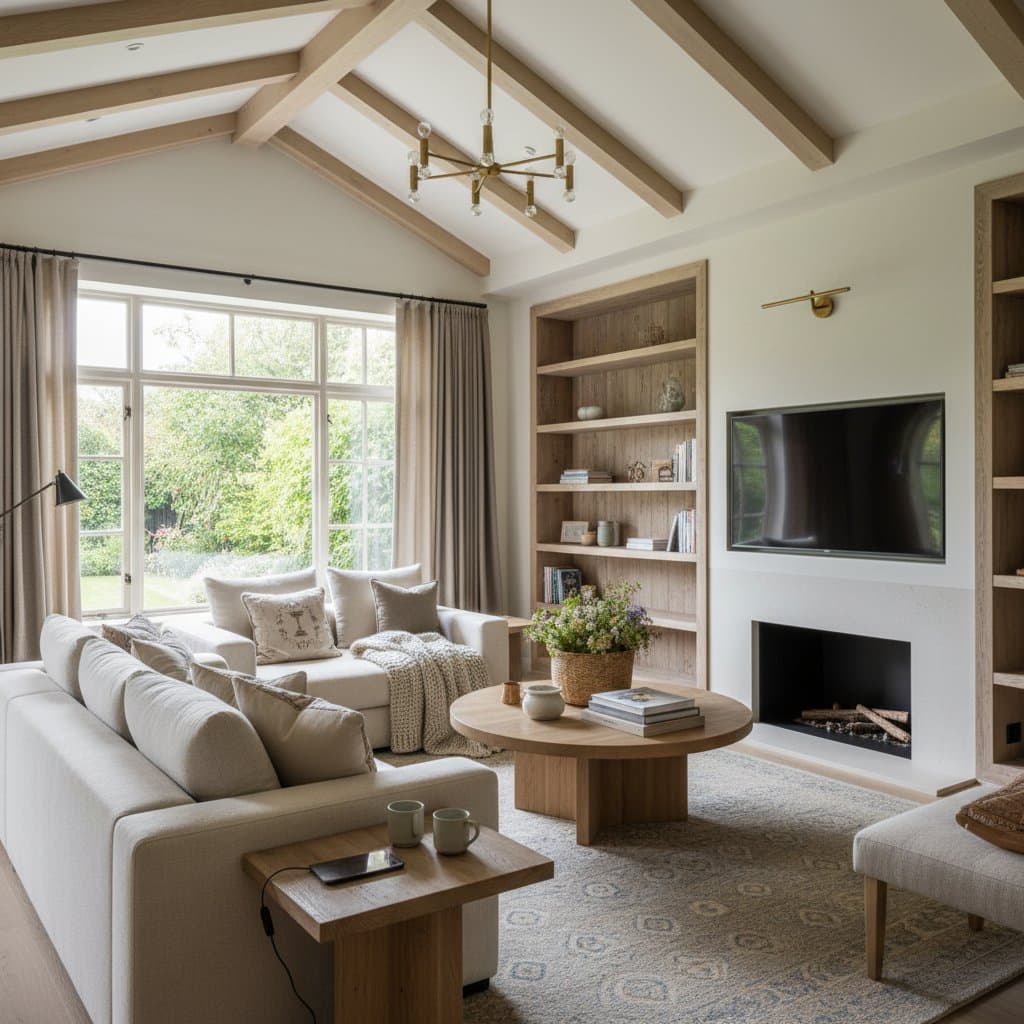
Interiors extend this narrative through revealed overhead timbers, broad board flooring, and integrated alcoves for study or organization. Contemporary residents frequently incorporate effective illumination, fluid floor plans, and resilient surfaces to simplify upkeep.
Incorporating Cottagecore Elements into Your Residence
Residing in rural areas proves unnecessary to adopt cottagecore principles. Suburban or city properties can incorporate this aesthetic through deliberate modifications. For renovations or fresh constructions, initiate with primary structural signals and introduce substances that resonate with genuineness.
1. Prioritize exterior enhancements.
The silhouette and surface execute the primary visual impact. Pitched gables, projecting dormers, and patterned cladding immediately evoke cottage character. Opt for authentic rock or fiber-reinforced cement with a coarse texture to achieve desired roughness minus intensive preservation. Budget approximately $15 to $35 per square foot for these exterior choices, varying by location and selection.
2. Select windows that convey personality.
Hinged or multi-pane designs align well with the aesthetic. Timber or timber-covered frames offer authenticity, though synthetic alternatives with faux divisions provide comparable style at reduced expense. Window replacement generally costs $700 to $1,500 per unit, encompassing setup.
3. Cultivate a warm, multifaceted interior.
Gentle shades, coated storage units, and untreated lumber highlights establish the inviting essence central to this approach. For surfaces, evaluate fabricated oak or salvaged pine, priced at $7 to $12 per square foot with placement. Incorporate interlaced fabrics, cushioned seating, and understated fixtures to anchor the environment.
4. Fuse retro allure with current utility.
Beneath the picturesque exterior, ensure operational modernity. This involves enhanced thermal barriers, optimized climate control, and integrated automation. Conceal advanced components within classic veneers, for instance, routing ventilation via simulated rafters or embedding access points behind wainscoting.
Key Factors in Planning a Cottagecore Project
Prior to embarking on a cottagecore overhaul or construction, evaluate expenses, upkeep, and regulatory adherence. Although the style radiates romance, it constitutes a significant endeavor demanding precise management.
Expense Summary:
- Fresh builds: Anticipate $250 to $450 per square foot for premium execution featuring custom elements.
- Adapting current structures: Allocate $80 to $150 per square foot for infusing cottage motifs, based on intricacy.
Regulatory and Standards Compliance:
All structures, regardless of fanciful intent, must satisfy regional guidelines. Factors like roof angle, pane positioning, and outer substances influence approval. Consult the local authority on permits early. In preservation zones, supplementary aesthetic evaluations may apply.
Upkeep Demands:
Organic elements such as lumber and stucco necessitate regular attention. For minimal effort, select fabricated lumber or synthetic composites that replicate classic patterns enduringly. For instance, synthetic shingle exteriors incur higher initial outlay but eliminate repeated coatings required for genuine wood.
Power Conservation:
Well-planned cottage designs demonstrate notable efficiency. Thermal roof assemblies, dual-glazed panes, and underfloor warmth maintain low consumption while upholding livability. Residents often select foam-based insulation to safeguard complex silhouettes without excessive support.
Achieving Harmony Between Fantasy and Practicality
Superior cottagecore residences evoke narrative magic while remaining fully habitable. This equilibrium arises from structured design choices. A rounded portal or vaulted pane introduces delight, yet excess forms risk disarray. Maintain fundamental shapes straightforward, accentuating select distinctive aspects.
Within, emphasize usability and solace. An embedded dining alcove or contemplation area integrates seamlessly, fulfilling defined purposes. Steer clear of excessive ornamentation that overcrowds areas. Concentrate on sensory substances, softened colors, and ambient brightness instead.
When uncertain regarding scale or treatments, engage an architect or specialist versed in period aesthetics. Their expertise ensures cohesive visuals within financial limits.
Steps to Launch Your Cottagecore Transformation
Commence your initiative by collecting visuals of residences embodying your desired ambiance. Pinpoint elements that captivate, like bowed entrances or tiled roofs. Convey these inspirations to your builder or specialist for conversion into feasible blueprints.
For modest alterations, incremental shifts yield notable effects. Apply pale ivory or herbal green to borders, swap conventional fixtures for forged-metal versions, or install a gravel trail. Frequently, owners initiate outdoors, cultivating aromatic plants, blossoms, and twining growths that enhance architectural harmony.
The cottagecore movement transcends fleeting popularity. It signifies expanding appreciation for solace, expertise, and intimate residential bonds. Through uniting narrative appeal with deliberate current architecture, individuals craft environments that endure, invite, and reflect personal essence.