
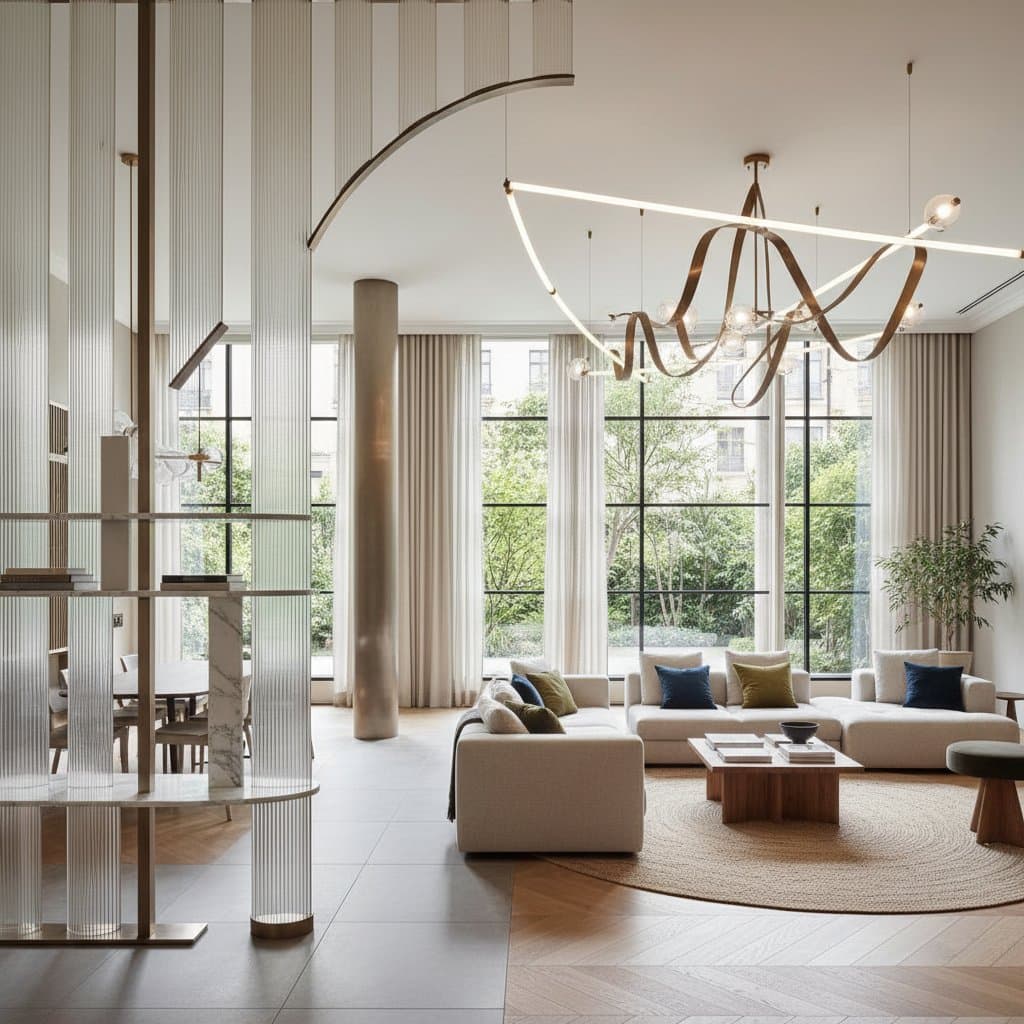
Deconstructed Classicism: Reviving Ancient Elegance
Consider entering a structure where a subtle equilibrium evokes tranquility through impeccable proportions. Perhaps the cadence of columns on a porch or the diffusion of light over a marble surface bordered by understated moldings creates this sensation. Classical architecture consistently produces such responses. Deconstructed Classicism captures these enduring features and reinterprets them for current contexts, infusing vitality into historical aesthetics while preserving their inherent poise.
The Allure of Ancient Balance
Classical architecture links physical form with emotional resonance. Ancient architects mastered harmony, scale, and organization. Columns functioned not merely as supports but as emblems of resilience and refinement. These concepts evolved over time to underpin diverse architectural expressions, ranging from imposing civic structures to serene garden structures. Contemporary demands emphasize adaptability, transparency, and inventive liberty. Deconstructed Classicism spans this divide by converting classical vocabulary into expressions that resonate as recognizable yet innovative.
In a residence or exhibition space crafted in this manner, traditional echoes emerge without imitation. Columns may fragment, contours soften, or equilibrium shifts delicately. This yields architectural verse where foundational classical elements intersect with progressive vision.
What Deconstructed Classicism Means in Practice
Deconstructed Classicism centers on reinterpretation. Rather than duplicating historical patterns, it analyzes their ratios and reconstructs them innovatively. A classical column could manifest as a sculptural highlight instead of a complete load-bearing feature. Cornices might transform into sleek luminous strips. Pediments could evolve into simplified geometric enclosures.
This method honors classical rationale while liberating it from strict conventions. It encourages trials with substances, surfaces, and shapes. Marble yields to concrete or stucco. Columns cast in steel or timber suggest fluting through implication rather than incision. The interplay of heritage and current materials weaves a sensory narrative that feels timeless yet dynamic.
Why It Resonates Today
Contemporary architecture occasionally appears austere. Deconstructed Classicism provides a more inviting option. It imparts framework and significance without excessive embellishment. Tradition offers reassurance, while novelty sparks interest. This versatility accommodates urban dwellings and rural properties by responding to surroundings.
In metropolitan areas, it tempers sharp lines with classical cadence and measurement. In rural locales, it imparts stability and anchorage. The equilibrium of robustness and subtlety aligns with diverse environments. In temperate zones, expansive colonnades deliver protection and circulation. In colder regions, substantial barriers and precise apertures underscore refuge.
How to Bring Deconstructed Classical Elements into Your Space
Grand residences prove unnecessary for embracing this aesthetic. Intentional design allows even compact areas to embody the subdued majesty of classical forms viewed through a modern perspective.
1. Start with Proportion and Symmetry
Classical aesthetics flourish through equilibrium. Employ ratios to foster serenity and visual coherence. Align window dimensions and synchronize elements along common lines. Subtle coordination of appliances, artwork, or furnishings establishes enduring accord.
2. Reimagine the Column
Columns define classical architecture, but deconstructed versions serve decorative or abstract roles. Install segmented columns against a partition, embed fluted patterns in stucco, or position slim steel posts evoking ancestral forms. Such applications tribute history while honoring present ingenuity.
3. Simplify Ornamentation
Opt for shadow and grain over complex engravings. A basic trim can mimic a cornice lightly. Polished stucco or subdued stone substitutes elaborate work, retaining equivalent sophistication.
4. Use Contrast Thoughtfully
Combine classical contours with modern substances. Position a limestone pillar near a glass partition or mount a bronze wall light against stark white stucco. This juxtaposition highlights artisanship and ratios.
5. Let Light Be the Ornament
In hybrid classical-modern schemes, illumination supplants adornment. Hidden sources bathe planes with gentle radiance, accentuating grain and contour. Light-shadow dynamics express classical tempo dynamically.
Practical Considerations
Budget and Materials
Deconstructed Classicism adjusts to varied finances. Premium executions incorporate genuine stone, bespoke woodworking, and skilled stucco applications. Accessible alternatives utilize coated gypsum board, ready-made trims, or synthetic stone. Precision in ratios and restraint in execution remain essential.
Structural and Safety Factors
When incorporating columns or accents, confirm load capacities and compliance with regional standards. Non-load-bearing elements suit materials like fiberglass or timber composites, yet demand firm fixation. Integrate electrical and lighting systems via certified experts to avoid risks or infractions.
Timeline and Coordination
Initiatives merging classical accents with modern builds require meticulous scheduling. Measure accurately, particularly when synchronizing trims and columns with current frameworks. Initial teamwork among architects, builders, and makers averts expensive modifications.
Permits and Regulations
Modifications impacting exteriors or heritage aspects often necessitate evaluation. Consult municipal authorities prior to commencement. Expert advice guarantees adherence to local norms while realizing objectives.
The Emotional Dimension of Design
Deconstructed Classicism extends beyond structure to affect spatial experience. Repetitive column spacing induces composure. A molding's soft arc tempers potential chill. In sparse settings, classical contours add profundity and linkage.
Envision cooking under a paneled vault suggesting antique sanctuaries or lounging by a casement edged with discreet pilasters. Each facet conveys that aesthetics engage both mind and sentiment. This approach unites eras, reason, and intuition.
Contemporary Expressions
Global architects and creators pursue this historical-innovative exchange. Some pursue daring reconfigurations, unveiling a classical exterior's framework to merge with unrefined concrete or glass. Others select understated nods, like an isolated arch evoking a Roman plaza within sleek simplicity.
Proportion and lucidity bind these approaches. Even when dismantled or stylized, classical syntax stays discernible. It prompts observer involvement, reconstructing completeness from fragments. This understated interaction renders environments enduring.
Living with Deconstructed Classicism
Once attuned to classical allusions, they appear ubiquitous. A column plinth transforms into an end table. A cornice arc motivates a hanging fixture. Embracing this aesthetic involves valuing minutiae and skill. It prompts pause, observing how contours and radiance influence routines.
Making It Happen
To initiate a Deconstructed Classicism endeavor, collect references. Tour heritage sites, examine their patterns, and observe proportional impacts on atmosphere. Draft concepts that adapt rather than duplicate these traits.
Collaborate with specialists versed in classical and modern methods to hone ideas. Post details on Doric South at no cost to connect with reliable builders skilled in classical finishes and current techniques.
This aesthetic's strength resides in flexibility. It ranges from imposing to restrained, elaborate to minimal. Dignity and historical ties persist. Integrating Deconstructed Classicism elevates spaces beyond mere enhancement, forging environments where antiquity and modernity converge harmoniously.