
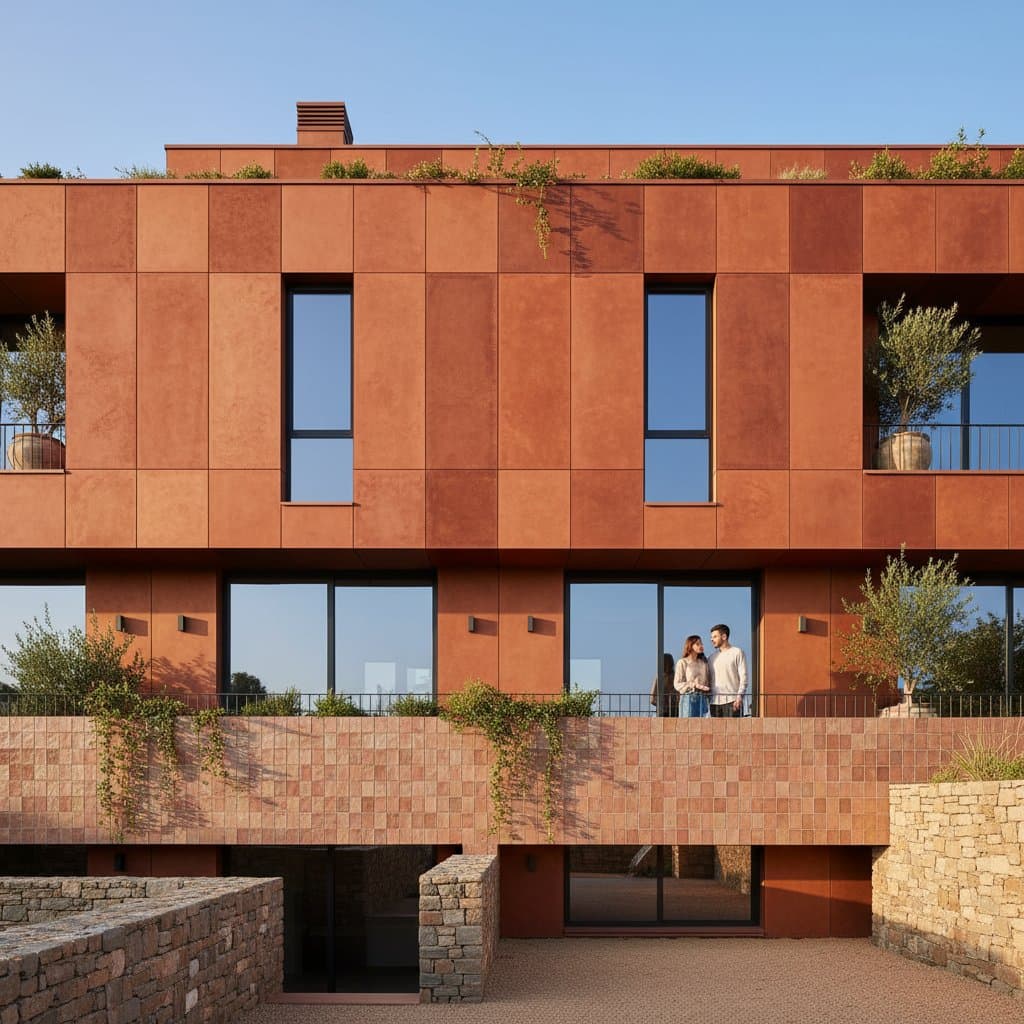
Terracotta's Resurgence: Earth Tones Lead 2026 Designs
Recent architectural and interior projects increasingly favor warm, natural palettes over the prevailing cool grays of past years. Shades of rusty red, sandy brown, and clay evoke a sense of grounding connection to nature. These earth tones provide versatility that suits contemporary minimalist settings as well as classic traditional interiors.
Designers observe a shift toward materials that foster emotional comfort in built environments. Terracotta, derived from natural clay, embodies this evolution by delivering tactile depth and subtle color variations. Its resurgence aligns with a cultural preference for authenticity in design.
Reasons for Terracotta's Comeback
Previous design eras emphasized sleek, monochromatic grays that prioritized simplicity but often resulted in sterile atmospheres. Current preferences lean toward inviting warmth and layered textures to create more habitable spaces. Terracotta addresses this demand through its inherent organic qualities, which soften hard edges and enhance visual interest.
The material's composition from fired clay ensures a direct link to earthly elements, appealing to architects seeking sustainable options. Available in forms such as glazed tiles, extruded bricks, or perforated panels, terracotta supports innovative applications. This adaptability allows for seamless integration across diverse project scales, from residential renovations to commercial developments.
Applications for Terracotta and Earth Tones
Terracotta extends beyond regional aesthetics like Mediterranean villas, demonstrating compatibility with global design languages. It harmonizes with materials such as reclaimed wood, polished concrete, and brushed metals to build cohesive narratives. Consider these targeted uses to incorporate it effectively:
-
Exterior Facades
Terracotta panels or baguettes create a welcoming facade that evolves with exposure to elements, forming a subtle patina. This aging process enhances aesthetic depth without frequent upkeep. Budget for installation at approximately $15 to $25 per square foot, accounting for structural support due to the material's density. -
Interior Walls and Floors
Hand-formed clay tiles in hues of burnt sienna or muted terracotta ground living areas with understated elegance. Apply them as kitchen splash guards, hallway flooring, or feature walls to anchor neutral schemes. Pair with neutral grout to highlight individual tile imperfections for added character. -
Roofing and Trim Elements
Barrel or flat terracotta tiles withstand harsh weather, maintaining vibrancy for 50 years or more. They outperform asphalt in longevity, justifying an upfront cost of $20 to $30 per square foot. Use trim accents around windows or eaves to delineate architectural details sharply. -
Decorative Accents and Furnishings
Introduce terracotta through sculptural vases, ceramic lighting fixtures, or woven rugs in clay palettes for subtle enhancement. These elements allow experimentation without structural commitment. Select pieces with matte glazes to echo the material's raw authenticity.
Advantages and Drawbacks of Terracotta
Terracotta offers distinct benefits that align with modern priorities, balanced against practical considerations.
Advantages:
- Derived from abundant natural resources, it supports eco-friendly construction and full recyclability at end-of-life.
- Provides superior thermal mass, regulating indoor temperatures in varied climates to reduce energy demands.
- Requires minimal ongoing care, resisting stains and fading under normal conditions.
- Delivers enduring color depth that integrates timelessly with evolving decor trends.
Drawbacks:
- Its weight necessitates reinforced framing, potentially elevating labor expenses by 20 to 30 percent.
- Fragility during transport demands protective packaging and skilled handling to avoid cracks.
- Standard offerings limit palette options; bespoke dyeing adds 15 to 50 percent to base pricing.
Evaluate these factors early in planning. Engage experienced contractors familiar with terracotta's specifications to mitigate risks and optimize performance.
Integrating Terracotta into Contemporary Spaces
Achieve a refined modern aesthetic by contrasting terracotta's warmth with geometric forms and neutral accents. Combine it with matte black hardware or streamlined upholstery to prevent overwhelming visual weight. Complementary earth shades, including warm ochre, sage green, and soft beige, expand the palette for dynamic layering.
Maintain equilibrium by alternating smooth and textured surfaces; for instance, juxtapose polished terracotta floors with rough-hewn walls. On limited budgets, opt for high-quality paints in authentic clay formulations, which replicate the hue at a fraction of installation costs. Alternatively, select porcelain alternatives engineered to imitate terracotta's grain, ensuring water resistance and simplified maintenance.
Practical Guidance on Budget and Upkeep
Pricing for terracotta fluctuates based on origin and finish, with standard tiles ranging from $5 to $15 per square foot. Factor in extended installation timelines, often 20 percent longer than comparable materials, due to precise leveling and jointing. Post-installation, upkeep involves gentle methods: dust with a soft brush and clean with diluted neutral detergent quarterly.
For outdoor applications, apply penetrating sealers to shield against water ingress, reapplying every three to five years depending on exposure. Indoor pieces benefit from occasional conditioning with natural oils to preserve vibrancy. These routines extend durability while preserving the material's inherent patina.
Steps to Incorporate Terracotta Effectively
Terracotta's prominence signals a lasting embrace of biophilic design principles that prioritize natural harmony. Begin assessment by sampling small-scale items, such as accent pillows or wall hangings, to gauge compatibility with existing schemes. Progress to structural elements once confidence builds, consulting color swatches under varied lighting to ensure tonal accuracy.
This methodical approach yields spaces that feel inherently welcoming and resilient to trends. Terracotta not only elevates immediate appeal but also contributes to long-term value through its robust, adaptable nature.