
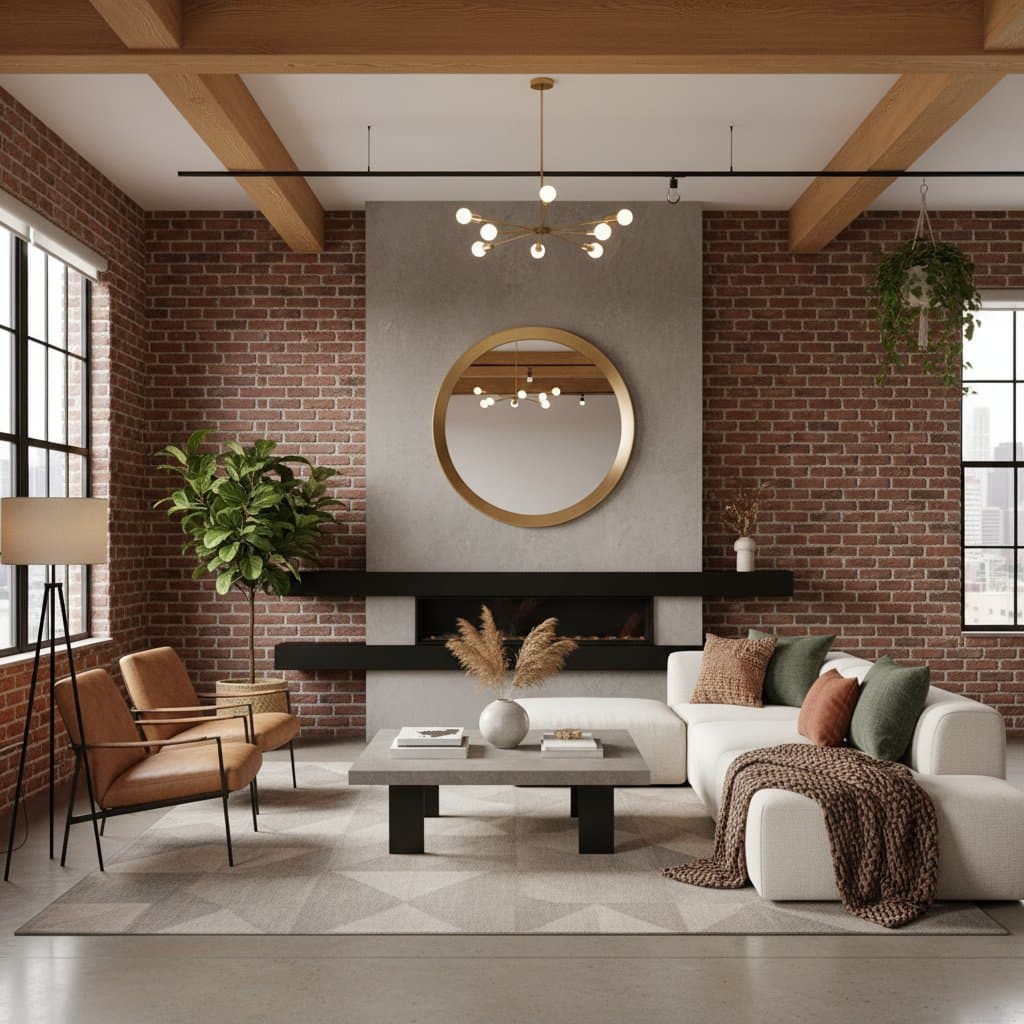
2025 Refined Factory Look: Blending Industrial Strength with Everyday Comfort
Homeowners often admire the rugged character of industrial spaces, yet worry that such environments might feel stark for daily living. The refined factory look addresses this concern by preserving the authenticity of raw materials while introducing elements of warmth and usability. This design philosophy creates interiors that combine durability with a sense of ease and invitation.
The Appeal of Refined Factory Design for Modern Homes
This style attracts homeowners through its harmonious contrast of textures and forms. Structural features like exposed beams and concrete surfaces evoke a sense of history and resilience. When integrated with wooden accents and plush textiles, these elements foster an atmosphere of relaxed sophistication.
The versatility of the refined factory approach extends to various home types, from expansive urban lofts to compact family residences. Open floor plans and multifunctional areas align with contemporary lifestyles, promoting fluid movement and shared activities. Durable materials such as brick and metal require minimal upkeep, ensuring long-term practicality.
Essential Components of the Refined Factory Aesthetic
Successful implementation relies on selecting and balancing core features that highlight industrial roots without overwhelming the space. Focus on authentic materials enhanced by softening influences to achieve a cohesive result.
Exposed Structural Elements
Retain or replicate architectural details that define the industrial vibe. Leave ceiling beams, interior brick walls, or metal supports visible where structural integrity permits. For homes without inherent features, install replicated elements like prefabricated steel beams or textured concrete wall panels to simulate the effect.
Integrating Warm Woods and Organic Textures
Counterbalance hard surfaces with natural materials that introduce softness and depth. Select wide-plank oak flooring or walnut cabinetry for floors and built-ins; reclaimed wood adds patina and narrative. Layer in wool area rugs, linen upholstery, and woven baskets to absorb sound and create tactile comfort.
Subtle Metal Finishes
Choose metals that complement rather than dominate. Opt for fixtures in matte black, aged bronze, or satin nickel to avoid harsh reflections. Incorporate these in open shelving units, sconces, and drawer pulls to maintain the industrial essence while ensuring visual harmony with wooden components.
Strategic Lighting Solutions
Lighting serves as both a functional and decorative anchor in this style. Install oversized pendant fixtures with perforated metal shades over dining areas, paired with floor lamps featuring adjustable arms for reading nooks. Select bulbs emitting 2700K warm white light, and include dimmers to modulate intensity from bright task illumination to cozy evening glow.
Cohesive Color Choices
Maintain a restrained palette to let materials shine. Base the scheme on neutral tones such as medium gray, warm beige, and crisp off-white for walls and ceilings. Introduce subtle accents in terracotta red or sage green through accessories, ensuring the overall mood remains serene yet engaging.
Managing Costs for Your Project
Expenses for adopting the refined factory look depend on the scope of modifications. Basic updates, including new lighting installations and wall treatments, typically range from $2,000 to $5,000. Comprehensive renovations involving flooring replacement or structural exposures may exceed $20,000.
Account for unforeseen issues when planning exposures. Brick walls often require mortar repointing, while metal elements might need rust removal and sealing. Engage a professional inspector early to assess potential hazards and refine the budget accordingly.
Sourcing materials influences overall spending. Reclaimed timber commands higher prices in densely populated regions due to scarcity, whereas synthetic concrete finishes and modular brick veneers offer affordable alternatives with nationwide availability.
Navigating Safety and Regulatory Requirements
Adhere to building codes when altering visible systems. Local regulations may mandate insulation for exposed ducts or concealment of electrical conduits. In pre-1978 structures, test for hazardous substances like asbestos before disturbing walls or ceilings; certified abatement teams handle remediation.
For any modifications to walls or supports, consult a structural engineer to verify load capacities. Secure all added elements, such as decorative beams, with appropriate fasteners to mitigate risks of detachment or instability.
Balancing Industrial Edge with Livable Comfort
Effective designs layer elements thoughtfully to avoid a contrived appearance. Limit bold industrial statements to one or two focal points, such as a feature wall in polished concrete. Offset these with cushioned sofas, layered textiles, and potted ferns to infuse personality and warmth.
Blend eras by incorporating mid-century wooden tables alongside sleek metal sideboards. Tailored built-ins, like recessed shelving with integrated lighting, elevate functionality without compromising the raw aesthetic.
Steps to Implement the Refined Factory Look
Begin with a site assessment to identify safe exposure opportunities, then map areas needing softening touches. Coordinate material selections and lighting plans to ensure tonal consistency. Partner with an experienced contractor for invasive work, prioritizing preservation of the home's integrity.
This design approach rewards those seeking genuine, enduring spaces. It honors robust materials while prioritizing ease of use, resulting in environments that withstand time and nurture daily routines with strength and subtlety.