
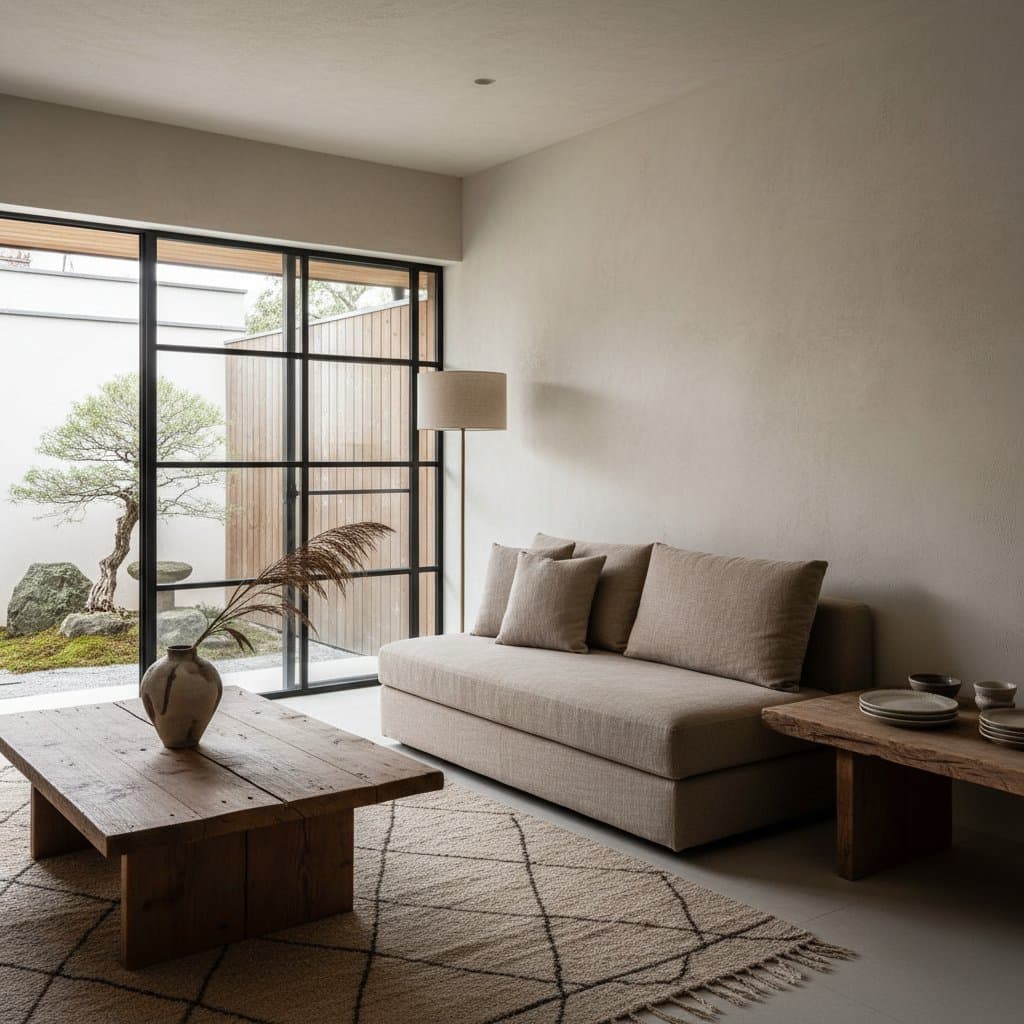
Wabi-Sabi Minimalism: Imperfect Trends Shaping Modern Homes
Perfectly polished interiors often evoke a sense of detachment rather than invitation. Glossy surfaces and uniform finishes, hallmarks of contemporary design, can strip away the warmth that makes a home feel truly personal. Homeowners increasingly seek alternatives that ground spaces in reality and comfort. Wabi-Sabi minimalism emerges as a compelling response, honoring imperfection, natural elements, and understated elegance.
The Philosophy Behind Imperfection
Rooted in Japanese aesthetics, Wabi-Sabi appreciates the transient and incomplete aspects of life. In interior design, this translates to valuing irregular forms, aged patinas, and artisanal touches. Minimalism complements it by emphasizing essential forms and open spaces. The result is an environment that balances restraint with emotional depth, where a chipped edge on pottery or the subtle warp in wooden planks signifies history rather than neglect.
This fusion counters the austerity of pure minimalism. Flaws become integral to the narrative, transforming potential eyesores into sources of character. As interest grows, designers highlight how such spaces promote mindfulness and reduce the anxiety tied to flawless upkeep.
Reasons Homeowners Adopt This Style
The relentless pursuit of pristine homes drains time and resources. Constant cleaning and replacements create ongoing stress. Wabi-Sabi minimalism counters this by prioritizing authenticity over appearance. It shifts focus to durable, meaningful items that improve with age, allowing owners to invest in quality over quantity.
Practically, it aligns with sustainable living. Opt for salvaged timber or thrifted accents to cut costs while adding unique narratives. A scarred oak console or textured clay tiles introduce visual intrigue without demanding perfection. Over years, these choices yield financial benefits through longevity and minimal intervention.
Incorporating Wabi-Sabi Minimalism Step by Step
Transitioning to this aesthetic requires gradual, intentional changes rather than overhaul. Begin by assessing current spaces for excess and misalignment. Select elements that align with natural imperfection to build a cohesive feel.
1. Curate Essential, Purposeful Items
Prioritize multifunctional pieces that evoke joy and utility. Clear out redundant decor to create breathing room. A lone, artisanal bench in a hallway draws attention to its craftsmanship, outshining a cluttered array of generic seats. This selectivity enhances focus and tranquility.
2. Integrate Organic Materials
Select substances like untreated wood, raw linen, terracotta, or slate that develop character naturally. An oak plank floor with visible knots or a wool throw with natural variations embodies the ethos. For walls, apply limewash or tadelakt plaster to achieve a velvety, uneven finish that diffuses light softly and hides minor flaws.
3. Highlight Texture and Natural Wear
Seek out items with inherent irregularities, such as handwoven rugs or stone vessels with rough edges. Allow fabrics to crease and metals to tarnish subtly. These layers prevent flatness, infusing minimal setups with tactile warmth and a sense of habitation.
4. Adopt Subdued Color Schemes
Ground designs in earth-inspired hues: creamy beiges, soft taupes, faded sages, and warm charcoals. These tones harmonize with natural textures, promoting serenity without overwhelming the senses. Steer clear of vivid synthetics to maintain an organic flow.
5. Select Characterful Accents
Incorporate artisanal ceramics with thumbprint marks, aged linens, or asymmetrical vases. Such pieces carry stories of creation, elevating everyday settings. Source from local makers or markets to ensure uniqueness and support craftsmanship.
Budgeting and Implementation Details
Wabi-Sabi minimalism proves accessible with thoughtful planning, emphasizing value over extravagance.
- Material Expenses: Limewash paint ranges from $40 to $60 per gallon, offering coverage for 300 to 400 square feet. Reclaimed hardwood flooring costs $6 to $12 per square foot, varying by origin and treatment.
- Furniture Investments: Artisanal tables crafted from solid wood typically fall between $500 and $1,500, providing longevity that offsets initial outlay.
- Hands-On Opportunities: Refinish existing pieces with natural oils or distress fabrics lightly for DIY appeal. Engage experts for installations like custom plastering to ensure structural integrity.
- Upkeep Advantages: Embrace evolving surfaces; patina enhances appeal, minimizing restoration needs and freeing time for living.
- Durability Checks: Verify materials meet standards—test reclaimed items for contaminants like lead paint, and choose fire-rated textiles for safety.
Adapting to Local Contexts
This versatile style molds to environmental and cultural nuances. In coastal zones, select mold-resistant options like cedar or seagrass. Arid climates suit sun-bleached adobe or cork flooring for thermal regulation.
Urban dwellers might layer subtle weaves on sleek lines, while countryside properties amplify raw features such as barn wood or quarry stone. Tailor selections to site specifics, ensuring the design resonates with its surroundings and enhances daily rhythms.
Harmonizing Restraint with Livability
Minimalism risks sterility, but Wabi-Sabi infuses vitality through fluid forms and soft layers. Maintain order without rigidity; integrate personal artifacts like stacked volumes or trailing greenery organically.
In kitchens, display varied earthenware on floating shelves for approachable utility. Bedrooms benefit from rumpled cotton duvets and knotted wool mats, blending ease with elegance. These touches preserve simplicity while nurturing comfort.
Steps to Initiate Your Transformation
Target a single area for initial simplification: declutter surfaces, mend valued heirlooms, and retain soulful keepers. Add a raw element, like a sculpted branch or forged iron hook, and gauge the shift in atmosphere.
For larger projects, consult builders on sourcing regional naturals—explore salvage yards for beams or mills for fresh-cut lumber. Track progress through seasonal adjustments, letting the space evolve intuitively.
Ultimately, Wabi-Sabi minimalism redefines home as a canvas of lived experience. Scratches and fades weave into the fabric of daily life, cultivating a sanctuary of genuine repose. This philosophy invites appreciation for the incomplete, yielding enduring satisfaction amid life's flux.