
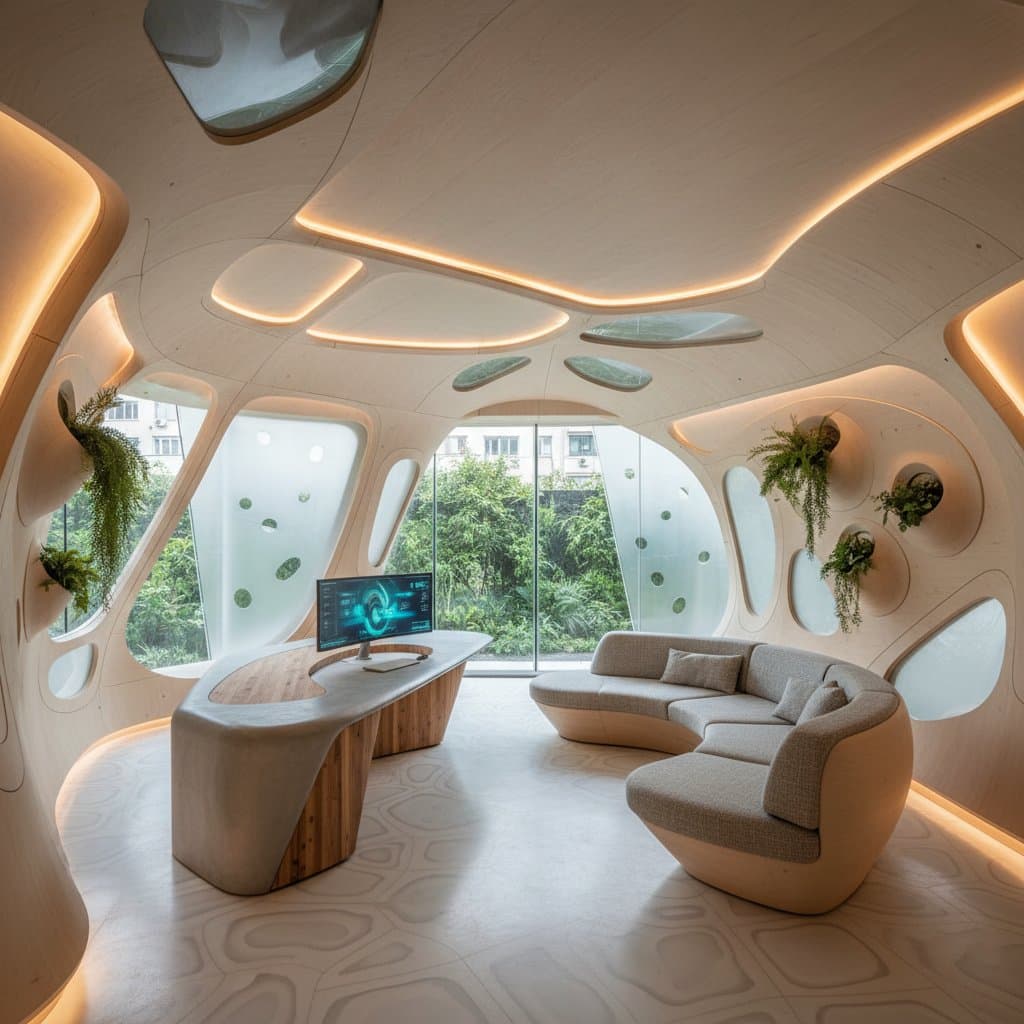
Algorithms Shape Organic Interiors Effortlessly
Modern interiors often evoke a sense of natural growth, with curving walls, rhythmic lighting, and furniture that integrates seamlessly with surroundings. These designs emerge not from intuition alone but from algorithms that convert natural patterns into built environments. Architects and designers employ computational methods to create spaces that feel alive and responsive.
Understanding Algorithmic Design in Interiors
Homeowners increasingly recognize the potential of algorithmic design to soften rigid room structures into harmonious settings. This approach extends beyond aesthetics to deliver functional improvements in comfort and energy use. Rooms adapt to environmental factors like sunlight and ventilation, fostering a balanced atmosphere that promotes well-being.
Algorithmic systems accelerate decision-making by simulating outcomes that manual methods cannot match efficiently. Designers input variables such as room dimensions and user habits, allowing the software to generate optimized layouts. The result integrates beauty with practicality, making spaces more intuitive to inhabit.
The Mechanics of Algorithmic Design
Algorithmic design relies on mathematical parameters to produce complex forms from simple rules. In interiors, professionals define scripts that dictate how elements like walls, ceilings, and fixtures interact. Adjustments to these parameters yield instant iterations, enabling rapid refinement.
Consider a residential project where natural light varies throughout the day. An algorithm might modulate window treatments or ceiling contours to distribute illumination evenly, reducing glare and shadows. Similarly, wall configurations can undulate to enhance sound absorption, creating quieter zones without bulky additions.
Floor plans benefit from this method as well. Parameters based on movement patterns optimize pathways, minimizing congestion in high-traffic areas. This parametric process ensures every component aligns with overall goals, yielding designs that appear fluid yet adhere to engineering standards.
Software tools like Grasshopper or Dynamo facilitate this workflow, often integrated with modeling programs. Beginners start with basic templates, while experts customize scripts for unique challenges. The key lies in balancing creativity with computational accuracy to avoid overly abstract results.
Tangible Benefits for Everyday Homes
Algorithmic interiors democratize advanced design through accessible technology. Digital fabrication techniques, such as 3D printing or CNC milling, translate virtual models into physical pieces affordably. Homeowners gain tailored solutions without the expense of bespoke craftsmanship.
Customization stands out as a primary advantage. Algorithms account for precise measurements, from ceiling heights to furniture placement, ensuring a perfect fit. This personalization extends to lifestyle needs, such as incorporating ergonomic zones for remote work or family gatherings.
Efficiency in material use follows closely. By calculating optimal cuts and joins, designs minimize scraps, supporting sustainable practices. For instance, wood panels might follow a fractal pattern inspired by tree branches, using less material while maintaining strength.
Comfort receives a significant boost through environmental responsiveness. Systems simulate airflow to position vents effectively, maintaining steady temperatures. Acoustic modeling refines surface textures, dampening echoes in open-plan areas. Visually, motifs drawn from natural elements like honeycomb or river bends instill serenity and cohesion.
Sustainability integrates naturally into these designs. Algorithms evaluate energy performance, suggesting insulation layers or shading devices that lower utility bills. Over time, such spaces prove durable, as parametric foresight anticipates wear and adaptation needs.
Evaluating Costs and Required Expertise
Budgeting for algorithmic interiors varies by project scale and complexity. Minor enhancements, like parametric lighting fixtures or modular shelves, typically cost between $1,500 and $3,000. These involve software modeling paired with standard fabrication.
Full renovations demand higher investment, ranging from $15,000 to $50,000. Factors include material choices, such as sustainable composites versus traditional woods, and the extent of structural changes. Custom elements like curved partitions add to expenses but deliver long-term value through efficiency.
Homeowners can experiment with free or low-cost software trials, yet professional involvement ensures success. Experts interpret data outputs, verify compliance with building codes, and oversee fabrication. Collaborating with a parametric-savvy architect prevents costly errors, such as misaligned components.
Initial consultations often cost $500 to $1,000, providing feasibility assessments. This step clarifies viable options and timelines, from concept to installation, which may span weeks to months depending on custom work.
Steps to Implement Algorithmic Design
Start by assessing your space's current limitations, such as poor lighting or awkward flows. Articulate desired outcomes, like enhanced natural light or serene acoustics, to guide the process. Consult a designer experienced in parametric tools to map these priorities.
Next, explore software demonstrations to visualize possibilities. Request simulations showing how algorithms adapt to your floor plan. Discuss material sourcing and prototyping to confirm practicality.
During execution, monitor progress through iterative models. Approve variations that best align with your vision. Final installation integrates these elements seamlessly, transforming the space into a cohesive whole.
Embracing Data-Driven Harmony in Your Home
Algorithmic design bridges the gap between rigid architecture and organic vitality. It empowers homeowners to create environments that evolve with needs, blending precision with natural inspiration. The outcome is a residence that not only looks exceptional but supports enhanced living through thoughtful, adaptive intelligence.