
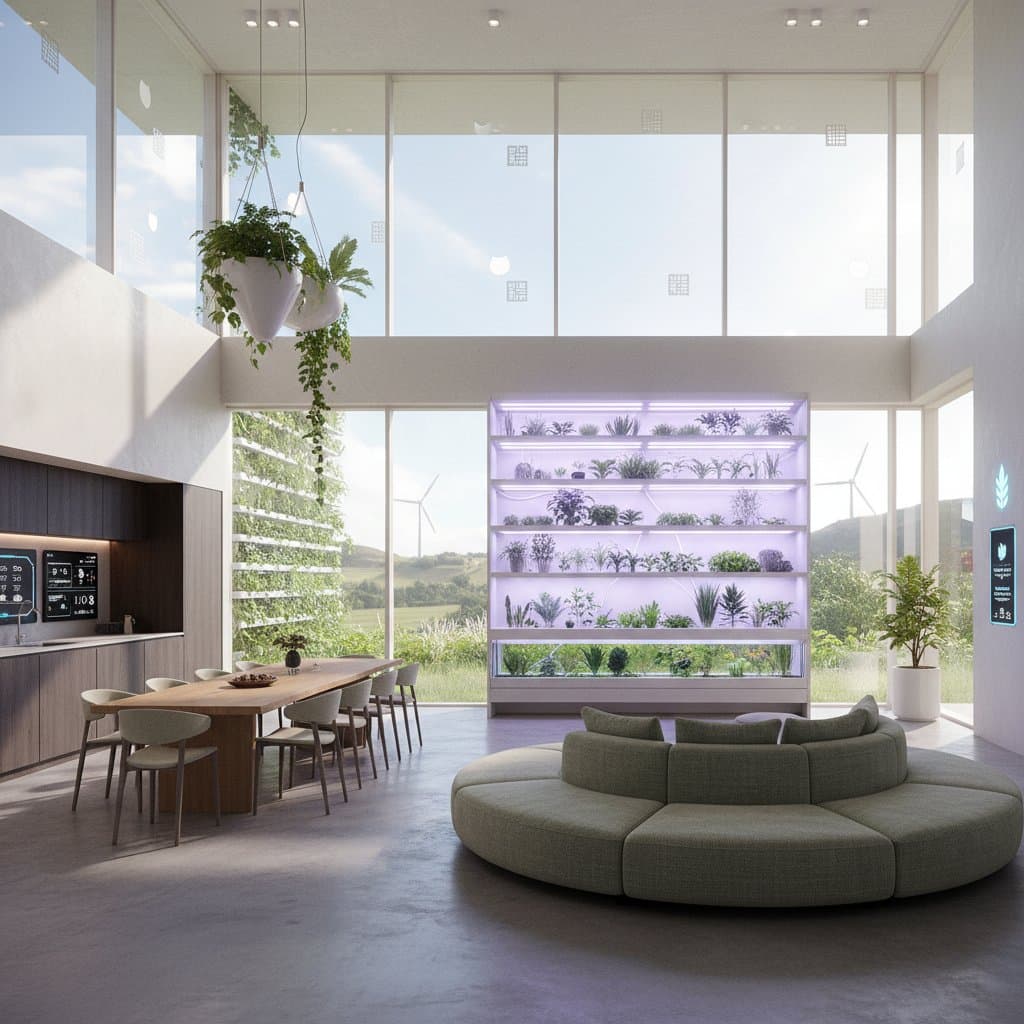
Eco-Futurism Reshaping Green Architecture in 2026
Imagine stepping into a home that generates its own power, recycles its own water, and grows part of your food supply. The walls breathe, the roof adapts to sunlight, and every material carries a low environmental footprint. This vision is already taking shape in real green architecture projects.
Homeowners and designers now seek building methods that align with natural systems. Rising energy costs and resource limits drive demand for self-sufficient designs. Eco-futurism offers a clear route by pairing advanced technology with proven ecological practices.
Defining Eco-Futurism in Practice
Eco-futurism blends sustainability, innovation, and adaptability in design. It moves past basic efficiency to create spaces that restore resources as they operate. Clean energy, recycled materials, and biophilic elements form the foundation.
Standard green homes often include solar panels and better insulation. An eco-futurist approach adds algae panels for oxygen production, air-filtering walls, and greywater systems that nourish rooftop gardens. The aim shifts from harm reduction to net positive environmental results.
Guiding Principles for Design Choices
Several core principles direct every decision during renovation or new construction.
-
Closed-Loop Systems
Water and waste streams cycle back into use. Greywater from sinks irrigates plants, and composting toilets cut water demand while enriching soil. -
Renewable Energy Integration
Solar, wind, and geothermal setups serve as primary power sources. Regional incentives frequently cover 20 to 30 percent of installation expenses. -
Smart Adaptation
Automated shading, ventilation, and lighting respond to current conditions. These controls cut energy use by as much as half. -
Biophilic Connection
Natural materials, ample daylight, and living walls boost air quality and reduce stress. Occupants report clearer focus and greater comfort. -
Material Responsibility
Reclaimed wood, recycled glass, and low-carbon concrete replace high-impact options. Local sourcing lowers transport emissions and supports nearby suppliers.
Steps from Planning to Completion
Successful projects follow a structured sequence that involves the homeowner, architect, and contractor.
-
Site Assessment
Evaluate sunlight patterns, wind flow, and drainage to position the home for passive heating and cooling. -
Energy Modeling
Professional audits forecast performance and help size systems correctly before work begins. -
System Integration
Combine renewable energy, water recycling, and controls during planning to avoid later conflicts. -
Material Selection
Require verified environmental certifications and low-VOC finishes for healthier interiors. -
Construction and Commissioning
Enforce waste separation on site and test every system at handover to confirm targets are met.
Key Considerations Before Starting
Upfront costs run 10 to 25 percent higher than conventional builds. Energy savings of 800 to 1500 dollars per year from solar, plus up to 40 percent lower heating bills from advanced insulation, typically recover the difference within a decade.
Local codes now favor sustainable features, yet greywater or rooftop garden permits vary. Early discussions with contractors and officials prevent schedule slips.
Annual inspections keep solar arrays, filters, and mechanical equipment reliable. Many suppliers bundle service contracts for simpler upkeep.
Licensed professionals must handle electrical, structural, and plumbing work. Skilled homeowners can manage lighting upgrades or living walls with proper guidance.
Adapting to Local Conditions
Coastal sites need salt-resistant finishes and strong ventilation. Arid zones prioritize water collection and shade structures. Cold climates benefit most from super-insulated shells and heat recovery units.
Humid regions gain from breathable walls that limit mold risk. Windy locations use streamlined roof shapes to reduce wear. Responsive design remains central to success.
Technology as the Connecting Element
Automated controls monitor energy, adjust lighting, and fine-tune temperatures according to occupancy. Artificial intelligence now forecasts service needs ahead of time.
Emerging materials such as self-healing concrete and transparent solar glass extend service life and cut resource demands. These options reach residential markets steadily.
Reasons Contractors Embrace the Approach
Energy-efficient homes sell more quickly and command stronger prices. Incentives and buyer interest turn sustainable work into a reliable profit center. Reduced waste during construction also trims expenses.
Training in green methods and performance testing grows more available. Tradespeople gain skills that support higher-quality outcomes on each project.
Moving Forward with Clear Priorities
Set specific targets such as energy independence or water savings before engaging specialists. Professionals can align style, budget, and performance goals.
Small initial steps like solar-ready wiring or smart thermostats build momentum. Each addition compounds into lasting savings and environmental gains.
Eco-futurism demonstrates that sustainable homes improve daily life without added complexity. Thoughtful integration of technology and ecology produces spaces that support both residents and the surrounding environment.