
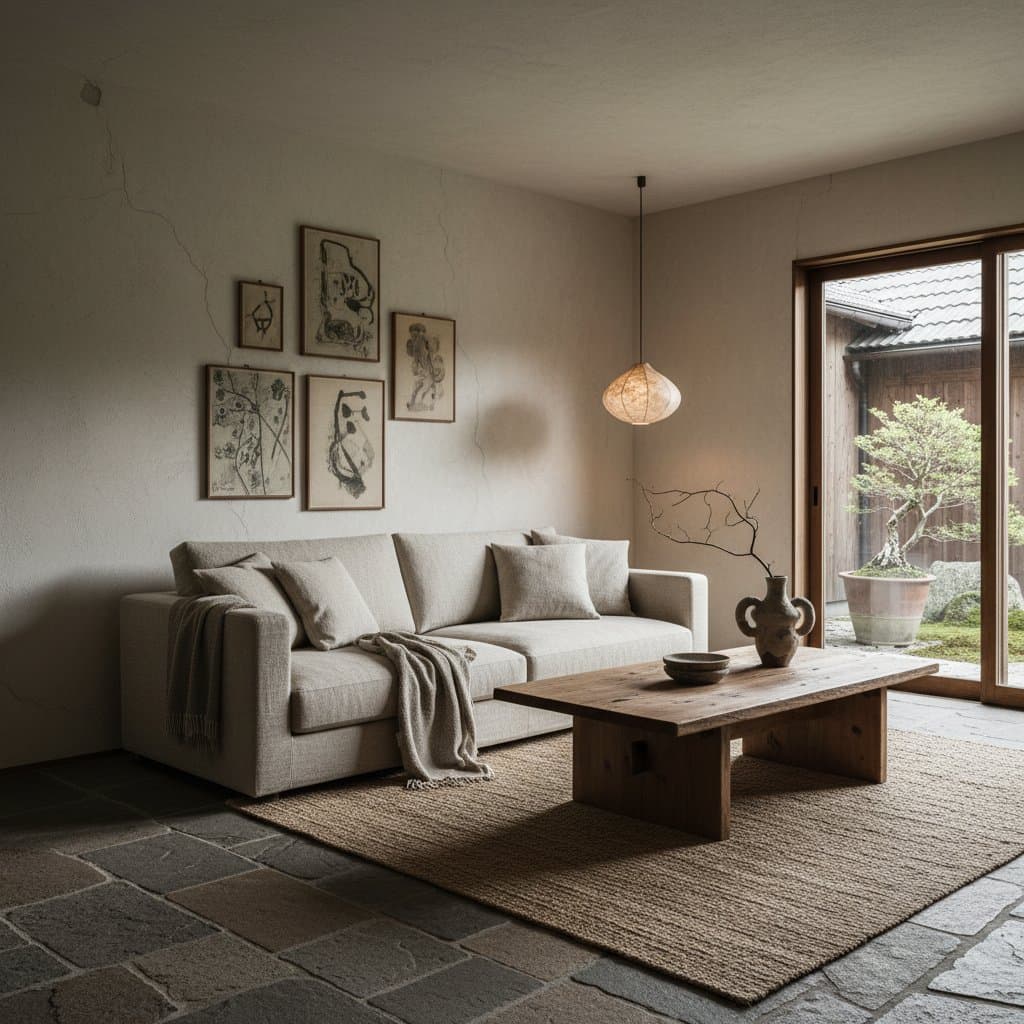
Imperfect Beauty: Wabi-Sabi's Rise in 2025 Design
Home design feeds often showcase pristine white walls, flawless surfaces, and picture-perfect symmetry. These elements appear stunning, yet many individuals seek something softer and more human. Consider entering a space where textures narrate stories, wood grain pulses with life, and a chipped bowl rests comfortably on a shelf. This represents the quiet power of wabi-sabi design, a philosophy that honors imperfection, impermanence, and authenticity.
The wabi-sabi aesthetic avoids neglect or disorder. It focuses on discovering beauty in items that age, weather, and transform. This invites individuals to pause, observe the subtle allure of a handmade vase, or appreciate the uneven brushstroke on a wall. As trends evolve toward personal and sustainable living, wabi-sabi gains increasing prominence.
Understanding the Heart of Wabi-Sabi
Wabi-sabi originates from Japanese philosophy and accepts the natural cycle of growth and decay. The core principle states that nothing endures, nothing concludes, and nothing achieves perfection. This perspective contrasts with the glossy perfection prevalent in modern interiors. Rather than pursuing flawless finishes, wabi-sabi promotes respect for the traces of time.
Envision a wooden dining table bearing scratches from family gatherings. Those marks serve as reminders of connection and shared narratives, not defects. Wabi-sabi prioritizes authenticity over uniformity, texture over polish, and emotion over precision.
The Opportunity in Imperfection
Contemporary homeowners frequently reassess the meaning of beauty. The relentless chase for perfection proves draining, both emotionally and financially. Wabi-sabi provides a revitalizing option. It positions the home as a living environment, distinct from a museum. Minor chips, faded fabrics, and weathered surfaces enhance warmth and invitation.
For those undertaking renovations or new constructions, this philosophy fosters creative liberty. Designers need not agonize over exact material matches or concealed flaws. Spaces develop organically, often incorporating sustainable elements like reclaimed wood, handmade pottery, or vintage furnishings.
How to Bring Wabi-Sabi into Your Home
Incorporating wabi-sabi involves fostering harmony among materials, light, and function, without rigid rules. The following steps offer practical guidance.
1. Choose Natural Materials
Select materials that convey vitality.
- Wood: Seek pieces with prominent grain and texture. Reclaimed or unfinished options introduce warmth and character, such as oak beams salvaged from old barns.
- Stone and Clay: These elements provide grounding presence and complement soft textiles, like river stones in a entryway or terracotta tiles in a kitchen.
- Linen and Cotton: Fabrics featuring natural wrinkles or irregular weaves deliver comfort and genuineness, ideal for curtains or upholstery.
2. Embrace Asymmetry
Wabi-sabi spaces avoid perfect balance. Position artwork slightly off-center or angle a table away from the wall to spark visual intrigue. The aim is fluid movement, not stiffness. Combine diverse furniture eras or adjust decor heights for a relaxed, inhabited atmosphere.
3. Simplify Your Space
Excess items disrupt the serene energy wabi-sabi cultivates. Begin by removing unnecessary possessions, retaining only those that serve or inspire. Sparse open shelves displaying select objects prove more impactful than dense arrangements.
4. Highlight Patina and Wear
Resist refinishing every surface hastily. A tarnished metal lamp, fractured ceramic bowl, or worn rug conveys tales of usage and passage. Such features infuse emotional layers absent in pristine, identical items.
5. Use a Soft, Earthy Palette
Wabi-sabi colors draw from nature. Employ subdued greens, warm grays, aged browns, and gentle whites. These shades form a tranquil backdrop, allowing textures and natural illumination to dominate.
6. Incorporate Handcrafted Pieces
Artisan creations infuse spirit into environments. A wheel-thrown mug, hand-woven basket, or sculpted stool bears the creator's imprint, underscoring that true artistry resides in imperfection.
Practical Considerations for a Wabi-Sabi Renovation
Embracing imperfection demands deliberate preparation. Review these aspects prior to implementation.
Budget
Wabi-sabi proves economical. Incorporate salvaged wood, secondhand furniture, or self-applied finishes. Handcrafted or artisanal items may incur higher costs due to labor and expertise. Balance investments by acquiring select authentic pieces alongside basic natural materials.
Maintenance
Natural materials mature gracefully yet necessitate attention. Apply oil to wood periodically, launder linen cushions delicately, and handle pottery with care. Proper upkeep preserves their evolving allure and extends durability.
Local Climate
In humid areas, select permeable materials and finishes that permit ventilation. For arid regions, apply sealants to avert splitting. Wabi-sabi thrives when attuned to surroundings, favoring location-appropriate choices.
Permits and Structure
Major alterations, such as exposing beams, applying natural plaster, or using reclaimed elements, may require permits or expert input. Verify compliance with safety and building codes.
Professional Support
Engage a suitable contractor for optimal results. Local experts versed in natural finishes, sustainable sourcing, and bespoke work realize visions effectively. Platforms like Doric South facilitate connections with vetted professionals emphasizing quality and dependability.
The Emotional Side of Wabi-Sabi Design
Wabi-sabi's profound resonance stems from its emotional impact, beyond aesthetics. It prompts slowing down to observe sunlight dancing on a textured surface or valuing imperfections as personal history. Amid a culture favoring haste and flawlessness, this method grounds and frees.
Wabi-sabi supports sustainability. Honoring existing items curbs waste and overconsumption. Individuals learn to cherish mending, repurposing, and safeguarding. A fractured bowl transforms into cherished artwork; a scuffed floor records vibrant existence.
Living with Wabi-Sabi Every Day
Adopting wabi-sabi transcends physical spaces, shaping daily habits, purchases, and care routines. Preference shifts to handmade over factory-made, aged over novel, and unadorned over elaborate. Homes mirror serene acceptance, free from perpetual pursuit.
Cultivate this through modest practices:
- Assemble natural items on a surface and track their seasonal shifts.
- Allow dawn light to influence ambiance over synthetic sources.
- Mend an object rather than discard it.
Such actions establish a tranquil, human cadence.
Advancing Your Wabi-Sabi Vision
To initiate a sanctuary of serene imperfection, commence modestly. Introduce a single artisan item or restore furniture naturally. Progress incrementally; wabi-sabi flourishes via gradual adaptation, not abrupt change.
For expansive endeavors, like raw wood kitchen cabinetry or stone-accented bathrooms, seek aligned local experts. Resources such as Doric South match projects with craftsmen dedicated to authenticity and endurance.
Wabi-sabi embodies understated assurance. It urges ceasing the quest for perfection and welcoming life's authentic, unfolding narrative. Homes, much like their inhabitants, weave tales of continual, exquisite incompleteness.