
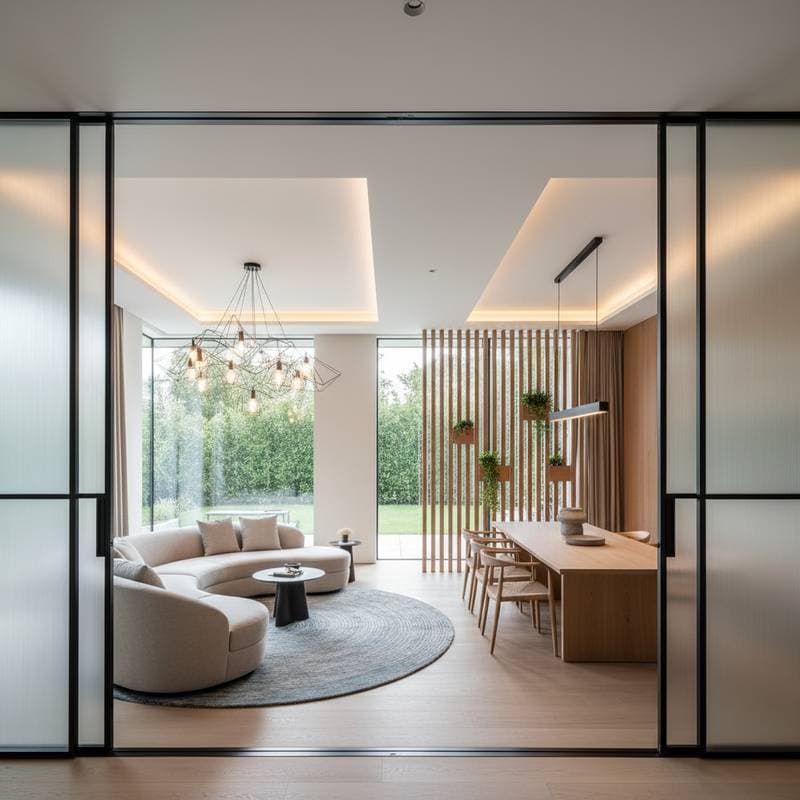
Deconstructing Open Plans: 2025's Flexible Future
Homeowners once embraced open floor plans for their seamless flow and airy feel. The kitchen merged effortlessly with the living area, natural light bathed the entire space, and hosting guests seemed effortless. However, as lifestyles evolved, many discovered limitations. Remote work, shared living arrangements, or the simple need for quiet reflection transformed that expansive layout into a source of distraction and disarray.
This transformation reflects a broader trend across residences. Open plans defined remodeling for years, yet flexibility now takes precedence. Walls reemerge strategically, zones gain clear purpose, and versatile areas supplant vast communal rooms. The aim remains balanced: adaptability that supports daily demands without sacrificing openness.
Why Open Plans Warrant Reevaluation
Open layouts long represented progressive design. They expanded the perception of space in compact homes and fostered family interaction. Nevertheless, practical challenges have surfaced for numerous residents.
Noise and lack of privacy rank among primary concerns. Without barriers, sounds echo unimpeded, hindering concentration or rest. Odors from cooking permeate the air, and disorganization remains in constant view. Energy efficiency suffers as well, since open expanses demand greater effort to maintain uniform temperatures, elevating utility expenses.
Shifts in routines amplified these issues. The once-ideal openness began to feel excessive. Residents sought methods to segment areas while preserving illumination and connectivity. This evolution birthed a design philosophy centered on adaptability.
The Emergence of Flexible Floor Plans
Flexible floor plans blend the strengths of open designs with the utility of delineated spaces. Rather than one expansive room, the configuration adjusts to varying requirements.
Consider sliding partitions, transparent panels, or furniture arrangements that isolate sections as necessary and reconnect them for social occasions. Pocket doors or low-profile walls establish gentle divisions, upholding sightlines across the home.
Such versatility empowers users. Prepare meals while monitoring children nearby, then seal a divider for undisturbed remote meetings. Prioritizing adaptability over mere openness defines this forward-thinking approach.
Essential Design Strategies for Deconstructed Plans
Those contemplating this transition possess multiple tactics to refresh current setups or incorporate adaptability into fresh builds.
1. Incorporate Movable Dividers
Opt for sliding panels, folding screens, or glass barriers over fixed walls. These elements permit reconfiguration based on daily rhythms. Materials like frosted glass or wooden slats ensure light penetration alongside seclusion.
Costs average between $1,000 and $4,000, influenced by material selection and dimensions. Installation demands moderate expertise; engage a carpenter or contractor to guarantee seamless functionality and stability.
2. Define Zones Through Furniture
Substantial sofas, tall bookcases, and storage units delineate areas sans renovation. This accessible method suits self-directed efforts.
Position a dual-sided bookcase to separate dining from living zones, providing both separation and utility. Expenses range from $300 to $1,200, scaled to furniture caliber.
3. Develop Multi-Use Rooms
Flexible designs enable rooms to fulfill diverse roles, eschewing single-purpose allocations. A spare bedroom might convert to an office via a retractable desk. Dining spaces could shift to workstations with concealed outlets and integrated storage.
Effective planning hinges on usage frequency and multifunctional furnishings. Evaluate how often each activity occurs and select pieces that accommodate transitions comfortably.
4. Employ Partial Walls and Built-Ins
Low walls or exposed shelving subtly partition while sustaining visibility. Integrated benches or cabinets establish organic edges, enhancing storage and form.
These require carpentry proficiency or expert assistance. Budget $2,000 to $6,000 for polished execution.
5. Incorporate Smart Lighting and Acoustics
Strategic illumination delineates zones effectively. Combine pendant lights above dining surfaces with embedded fixtures in lounging areas to impart distinct atmospheres.
Acoustic management proves vital. Install panels, rugs, and upholstered elements to dampen reverberations. For dedicated workspaces or entertainment spots, seals on doors or insulating drapes yield significant improvements.
Practical Aspects: Cost, Safety, and Preparation
Prior to altering walls, address key logistics in reconfiguring open plans.
Structural integrity demands attention foremost. Modifications to walls could impact load-bearing components. Consult a licensed contractor or engineer prior to any demolition or addition. Structural alterations, including beam installations, range from $2,000 to $10,000 based on scale and workmanship.
Permits often apply to changes involving walls, wiring, or climate systems. Verify requirements with local authorities promptly to prevent setbacks or penalties.
Airflow equilibrium matters too. Wall adjustments may disrupt ventilation patterns. Modifications to ducts or supplementary units like mini-splits ensure even comfort, costing $500 to $2,500.
Project duration varies with complexity. Basic dividers finish in days, while wall reconstructions or custom cabinetry extend to weeks.
Investment recovery depends on locale and scope. Adaptable designs attract purchasers valuing versatility for offices or extended families. Thoughtful partial overhauls recoup 60 to 80 percent of expenses upon resale.
Regional Variations in Approach
Local climate, habits, and regulations shape flexible implementations.
- In warmer areas, designs emphasize airflow, favoring lightweight dividers over solid barriers.
- Colder regions gain from zoned enclosures that retain warmth, reducing energy use through doors or partial walls.
- Urban environments demand ingenuity for limited areas, relying on mobile walls and transformable pieces to optimize space.
- Suburban properties, with ample room, support blended setups that retain openness alongside private sectors.
Aligning choices with regional traits promotes sustained comfort and performance.
Deciding Between DIY and Professional Assistance
Tackle aesthetic zoning via self-efforts, like repositioning furnishings or erecting freestanding screens. Repainting, fixture replacements, and curtain additions pose minimal risks.
Engage specialists for structural, electrical, or custom woodwork tasks. Oversights here invite hazards or costly repairs. If uncertain, arrange an initial assessment; numerous experts provide affordable consultations for informed decisions.
Implementing Adaptive Spaces
When openness overwhelms, targeted modifications restore harmony. Pinpoint activities requiring seclusion or clearer boundaries. Select the least invasive solution, such as a kitchen-living divider or zoned illumination scheme.
The objective centers on evolving environments that align with present needs and future shifts. Such designs deliver immediate ease and enduring versatility.