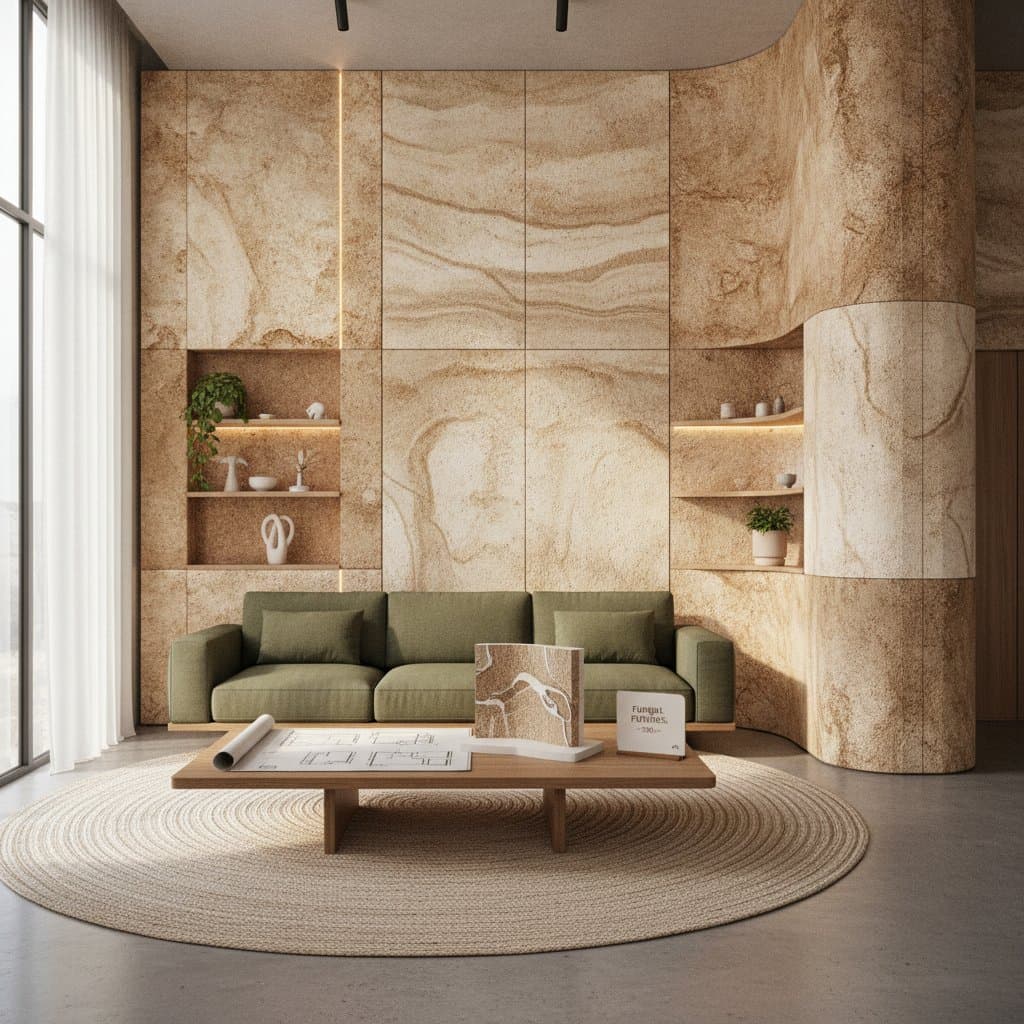
Organic Building Materials Offer Healthier Homes
Architects and builders adopt hempcrete, mycelium, bamboo, and similar materials to create durable, low-emission spaces that regulate moisture and reduce environmental impact.

Architects and builders adopt hempcrete, mycelium, bamboo, and similar materials to create durable, low-emission spaces that regulate moisture and reduce environmental impact.

Raw exposed interiors convert structural materials into refined design statements. Discover the reasons behind the trend and the concrete steps required to introduce the look while maintaining comfort and durability.

Transform overlooked ceilings into design statements that shape mood and proportion. Guidance covers color strategy, surface preparation, coordination with existing finishes, and room specific applications for polished results.

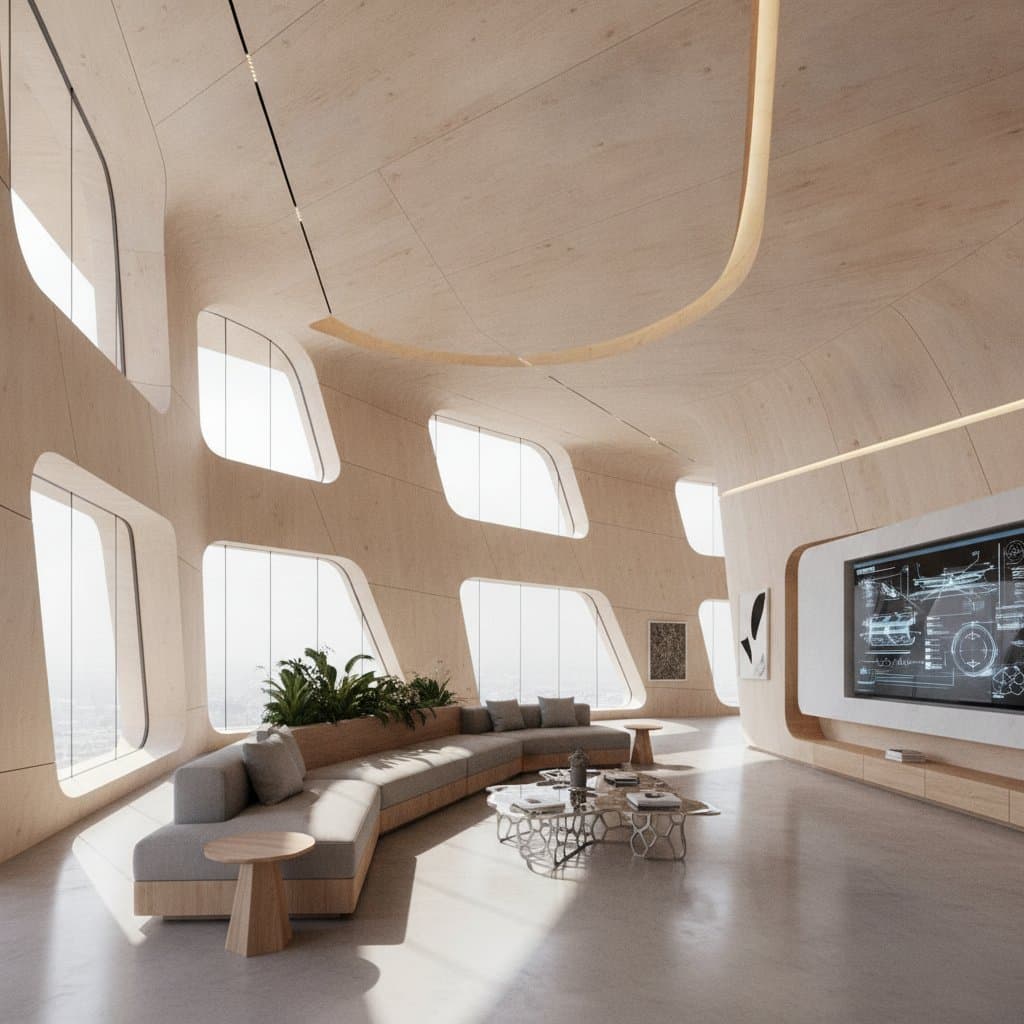
Fragmented deconstructivist architecture redefines residential projects with angular geometry and material contrast. The approach rewards careful planning while delivering distinctive living environments.


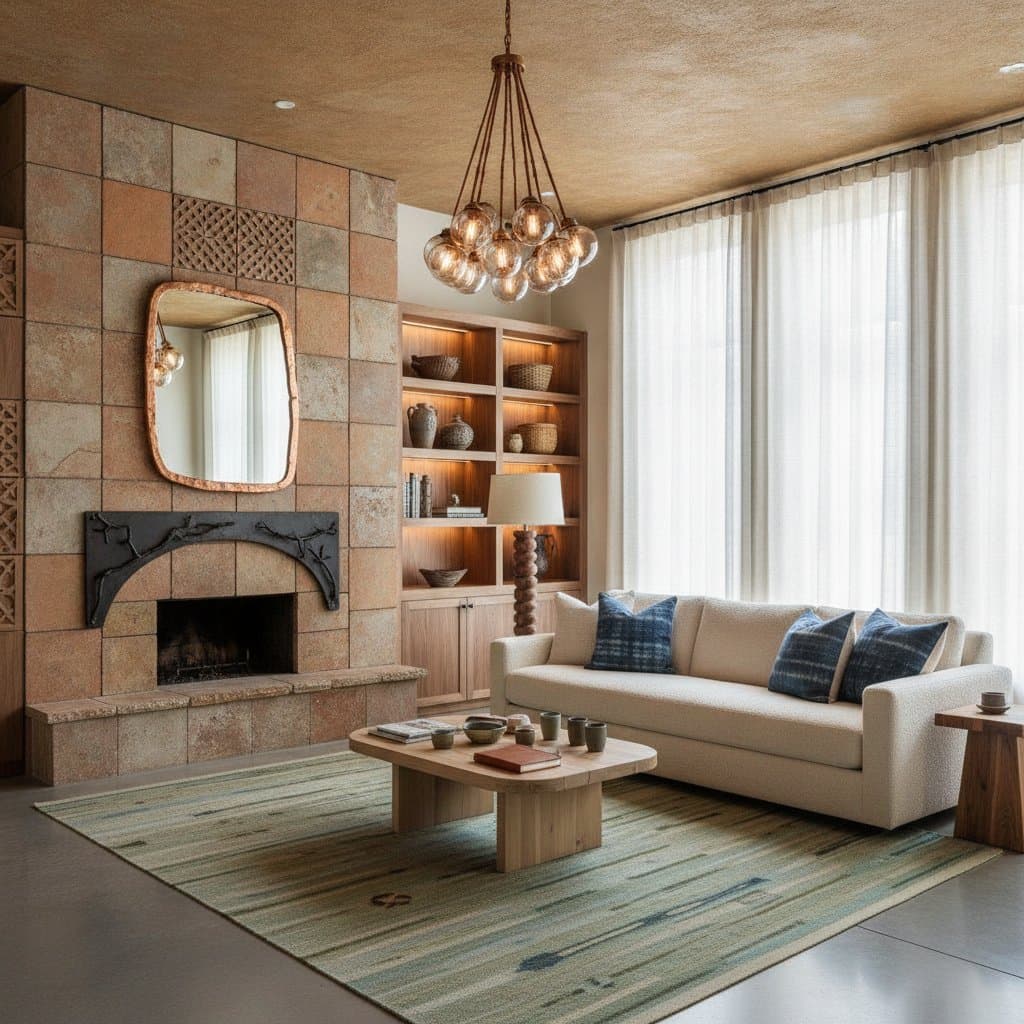
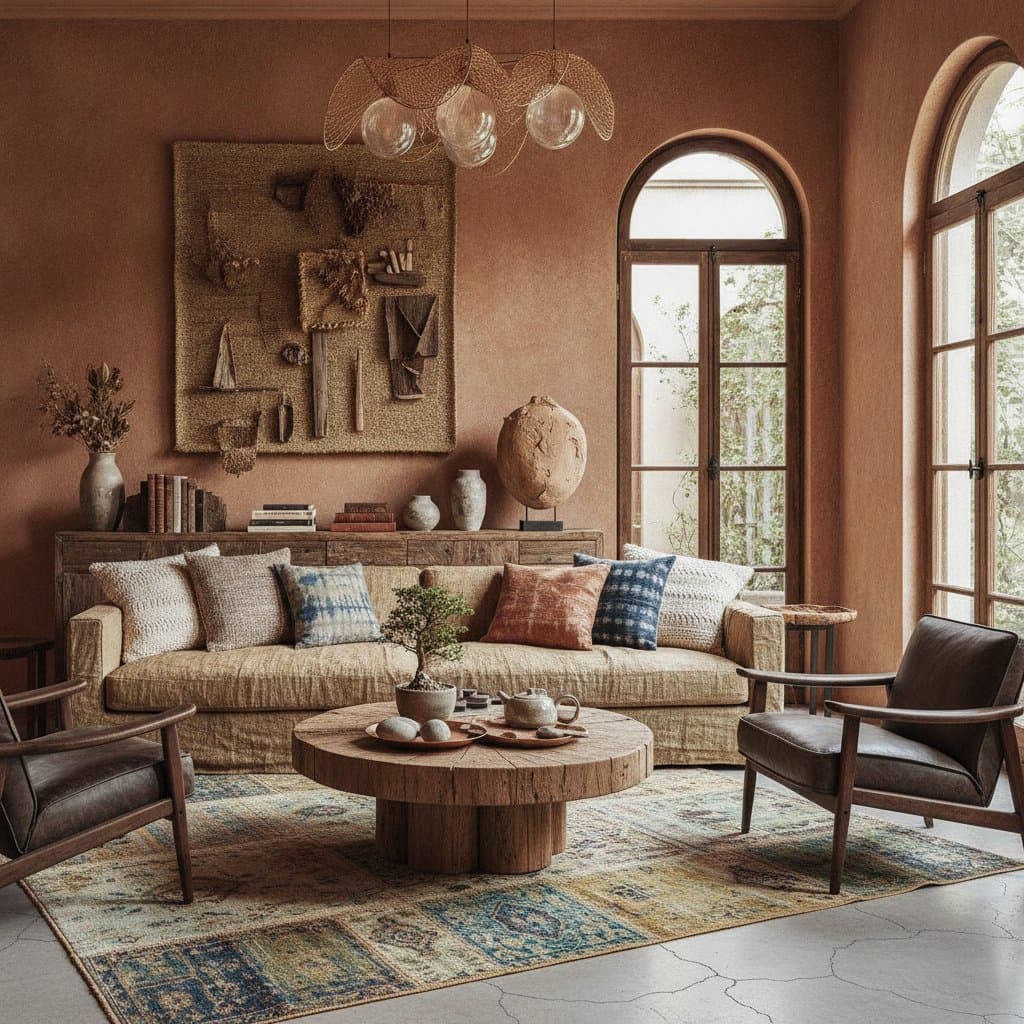
Transform cold rooms with terracotta and rust tones. This guide covers earthy maximalism through specific color applications, texture layering, and functional room updates that create inviting spaces.
Read more
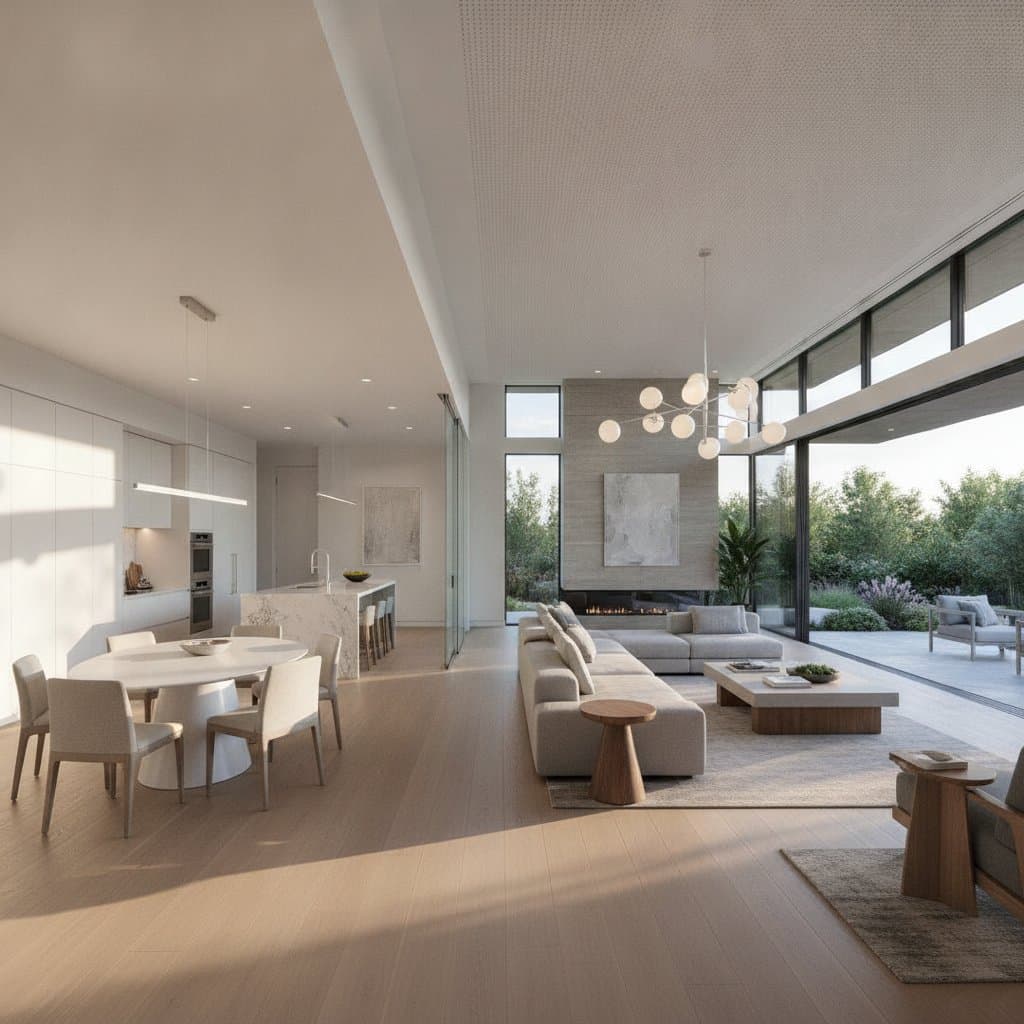
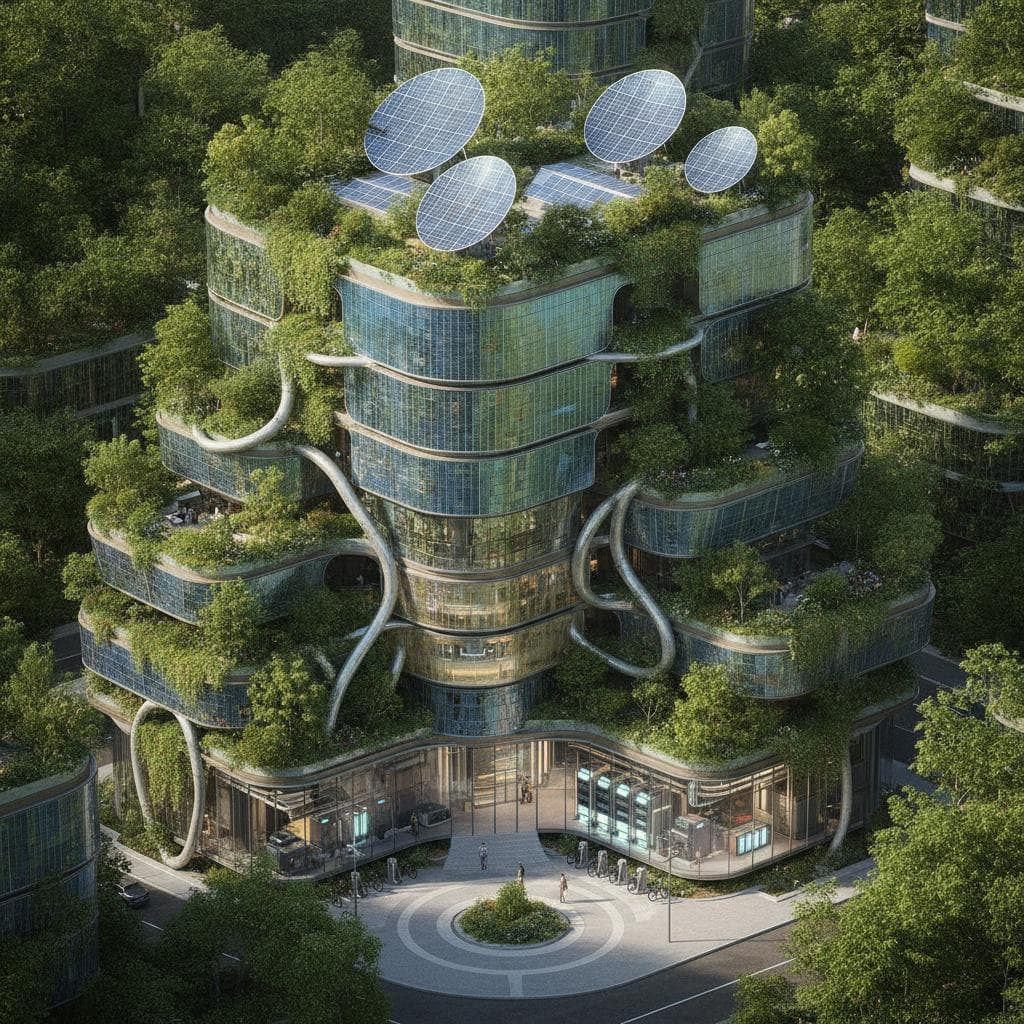
Solarpunk architecture transforms sustainable living through integrated solar technology, natural materials, and community spaces. In 2026 this approach delivers practical green buildings that lower expenses while supporting environmental harmony.
Read more
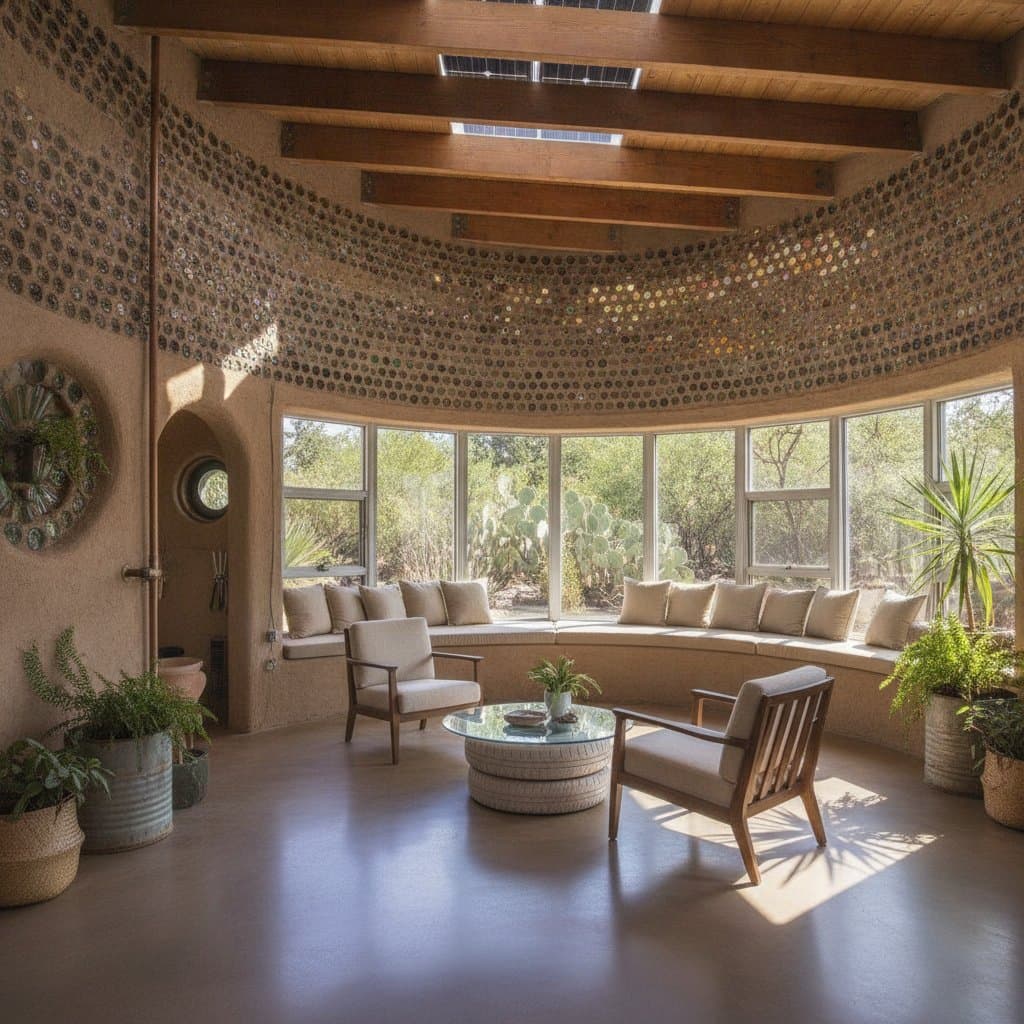
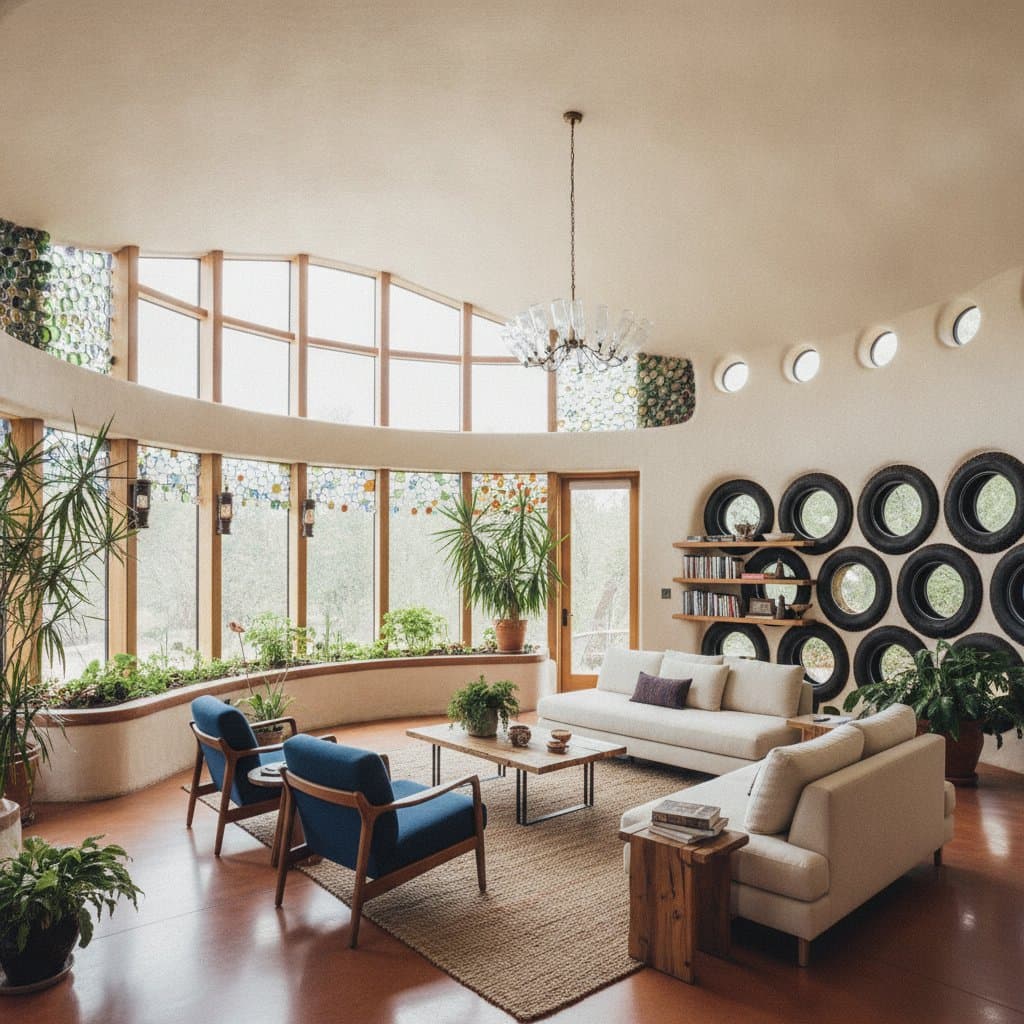
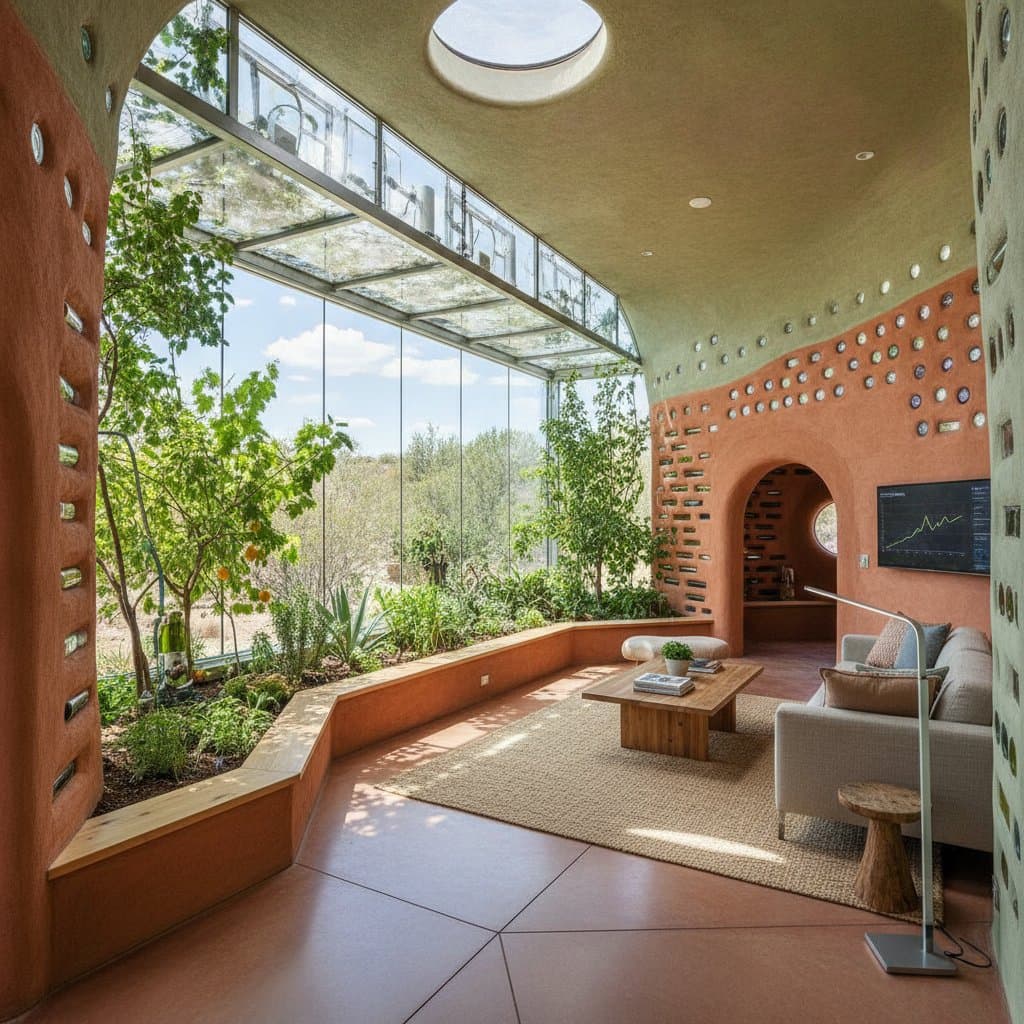
Earthship homes redefine sustainable living by blending recycled materials, smart design, and off-grid independence. Built from earth-filled tires and powered by solar energy, they harvest water, regulate temperature naturally, and nurture indoor gardens.

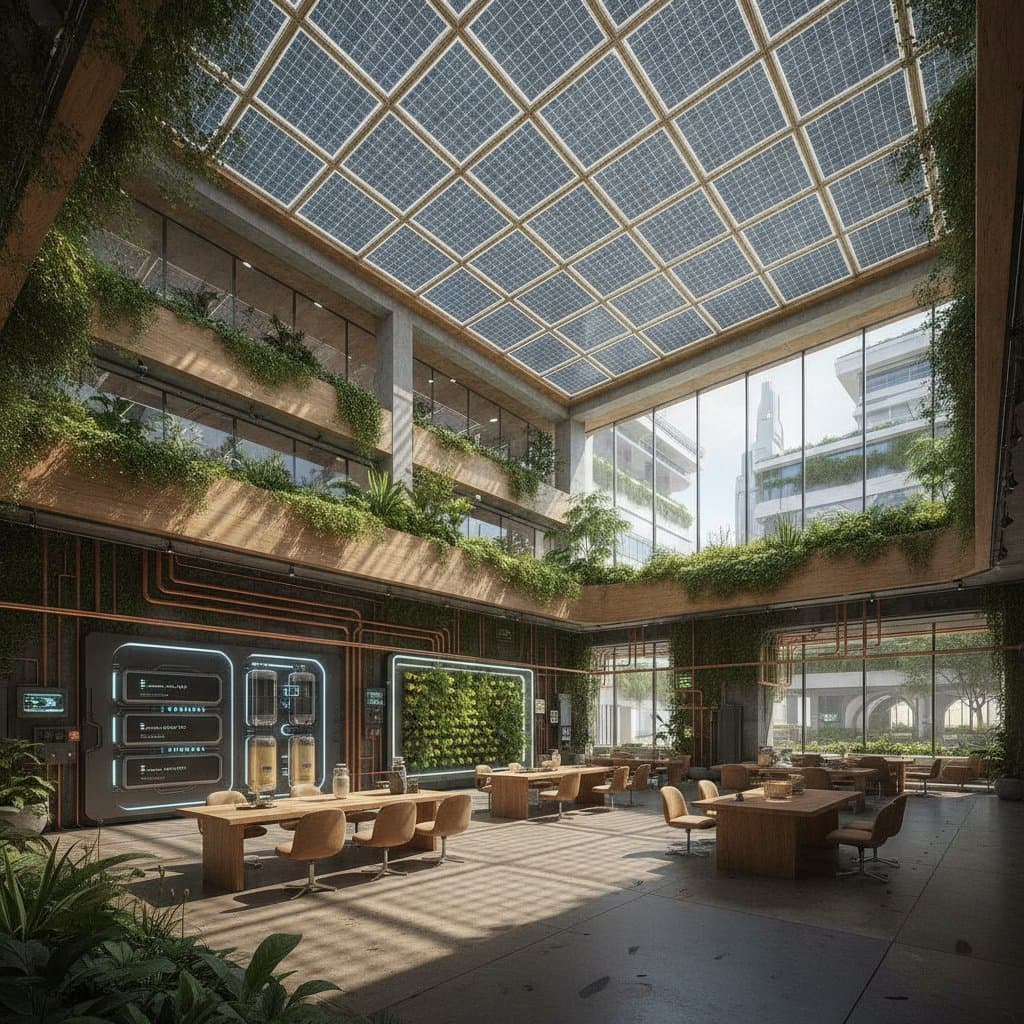
Algorithmic facades are redefining architecture by merging digital precision with environmental responsiveness. Through data-driven design, buildings adapt to light, climate, and cost, enhancing efficiency and aesthetics. From energy savings to material optimization, this computational approach transforms facades into intelligent systems that think, perform, and evolve—reshaping how architecture meets modern demands.

Terracotta anchors earthy maximalism by blending natural color, texture, and craftsmanship. Explore specific ways to layer terracotta through walls, floors, pottery, and kitchen details for grounded, personal spaces.

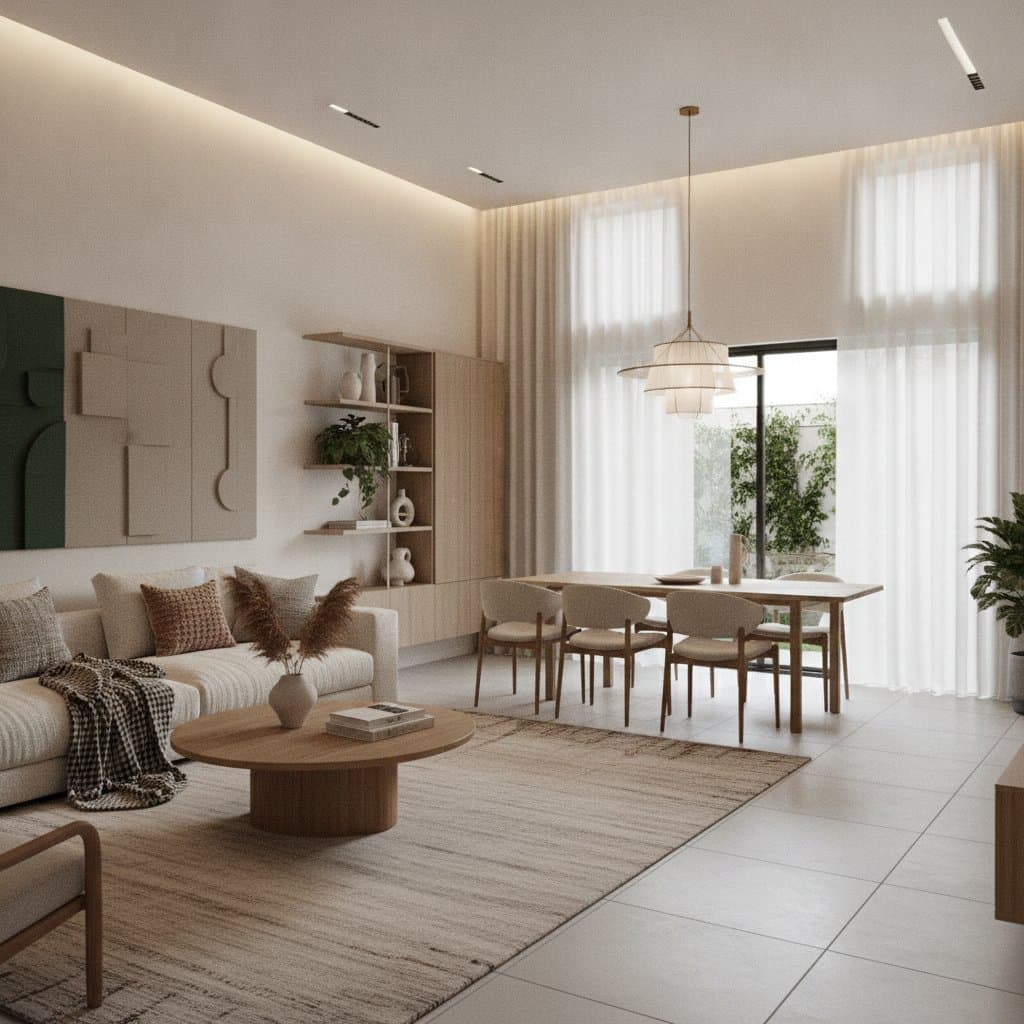
Terracotta tones soften modern minimalism by adding natural warmth and texture. This approach keeps spaces open while introducing comfort through earthy hues, tactile materials, and considered lighting.

Rammed earth walls move from off-grid Earthships into suburban homes, offering durability, energy efficiency, and distinctive natural texture.