
Solarpunk's Eco-Futurism: Homes for 2026 and Beyond
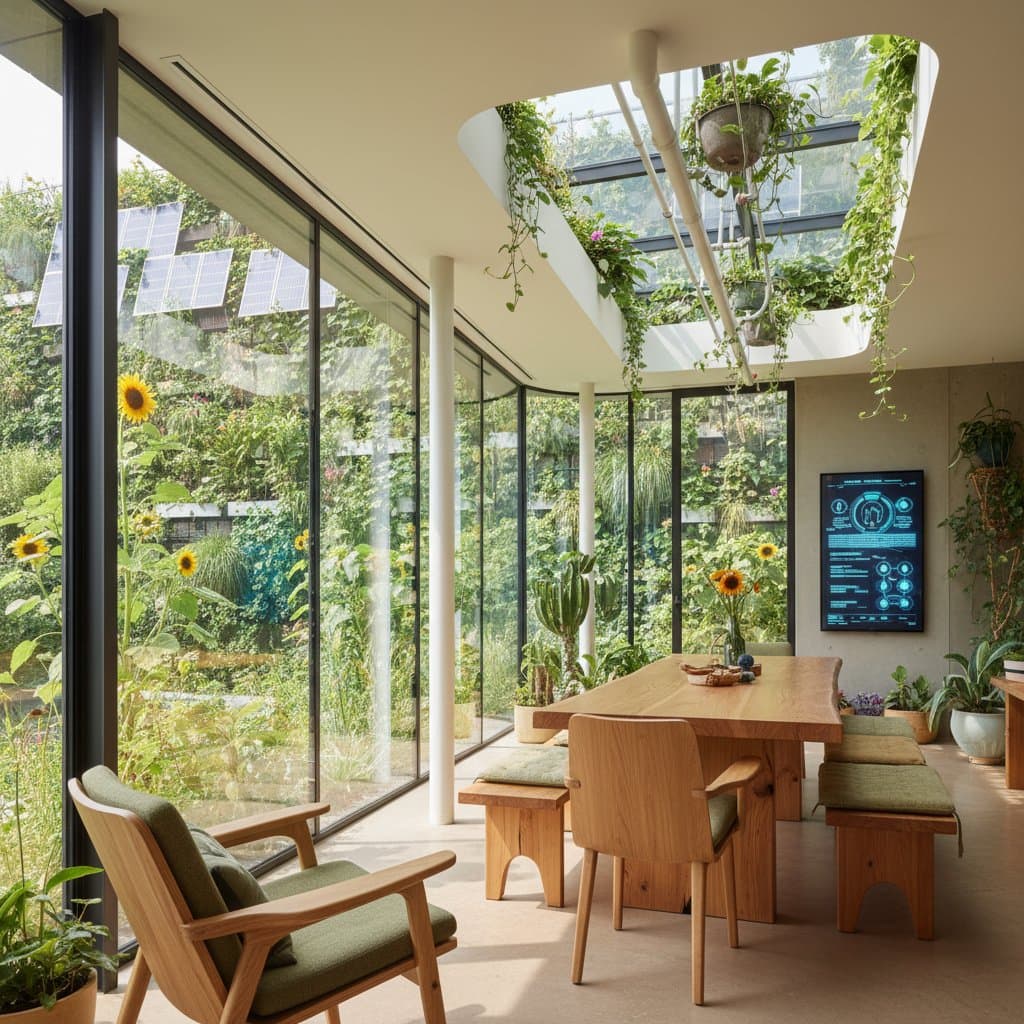
Envision a community where rooftops support thriving vegetation, solar energy fuels routine activities, and buildings integrate seamlessly with their surroundings. The atmosphere conveys equilibrium, and residences function as extensions of the natural world rather than impositions upon it. This vision embodies solarpunk, a movement that fuses optimism, environmental stewardship, and innovative aesthetics to promote harmonious coexistence with Earth.
Readers may have encountered solarpunk and found it compelling yet elusive. In reality, solarpunk architecture manifests in modest yet motivational projects worldwide. It emphasizes redefining interactions among humans, structures, and ecosystems over reliance on high-tech novelties. The objective involves developing residences that produce their own electricity, repurpose water, and enhance local habitats. This form of eco-futurism appears optimistic, realistic, and attainable.
The Heart of Solarpunk Design
Solarpunk design fundamentally honors sustainability as a source of plenty. It prompts consideration of how buildings can sustain life instead of overpowering it. The attraction stems from residences that surpass mere efficiency to achieve regeneration. Consider facades that regulate air quality, landscapes that purify the atmosphere, and photovoltaic elements that serve as artistic features.
Key elements in solarpunk homes include:
- Green roofs and living walls that provide thermal insulation and habitats for pollinating insects
- Solar glass windows that harvest energy while preserving views
- Rainwater harvesting systems that irrigate interior greenery or support greywater reuse
- Natural materials such as bamboo, rammed earth, and salvaged wood
- Smart microgrids that distribute electricity across neighboring properties
These components extend beyond lowering emissions. They cultivate environments of serenity, elegance, and intentionality. Each architectural choice aligns utility with underlying principles, combining advanced systems with artisanal techniques.
A Community Approach to the Future
Solarpunk rejects solitary eco-luxuries in favor of collective efforts. Visualize a block where residences feed into a communal power grid, shared gardens supplant barriers, and pedestrian-friendly layouts minimize vehicle use. Such arrangements foster involvement in broader initiatives.
Architecture practices in various locales now test these ideas. Urban developers reconceive districts as interdependent, autonomous clusters. Simple upgrades, including solar canopies or joint waste processing centers, advance communities toward solarpunk ideals. Individual actions distinguish short-term solutions from enduring change.
Building Your Own Solarpunk Sanctuary
Individuals interested in incorporating solarpunk principles can commence with incremental modifications. The shift starts with perspective alongside physical alterations. Consider these initial strategies:
-
Maximize sunlight exposure
Position primary areas to capture daylight, and select surfaces that distribute light throughout interiors. -
Integrate vegetation
Install wall-mounted gardens on terraces, deploy containers to moderate heat on pavements, and weave plants into daily routines. -
Adopt renewable energy sources
Install photovoltaic arrays, energy storage units, or join local cooperatives to lessen reliance on conventional grids. -
Select sustainable materials
Choose recovered lumber, repurposed glass, or regionally sourced stone to minimize environmental impact and promote mindful use. -
Plan for flexibility
Develop multipurpose areas that adapt to changing requirements without frequent overhauls.
These steps convert personal spaces into active contributors to surrounding ecosystems.
Balancing Vision with Practicality
Inspirational concepts must align with practical constraints. Financial resources, zoning laws, and construction regulations shape feasible options. Comprehensive upgrades, such as photovoltaic installations, vegetative coverings, and sophisticated water management, involve initial expenses but yield savings via reduced utility costs and enhanced durability.
Homeowners frequently implement changes sequentially. For example, a green roof installation costs less than extensive renovations yet delivers prompt advantages like better insulation and ecological diversity. Photovoltaic systems range in expense based on scale and site, with government incentives often covering significant portions. Consultation with municipal authorities confirms adherence to codes for safety and sustainability prior to commencing projects.
The Emotional Side of Sustainable Living
Solarpunk's distinctive quality lies in its sensory impact. Residing in a structure attuned to solar cycles or operating on clean energy alters everyday experiences. Awareness of seasonal shifts intensifies. Residents gain satisfaction from structures that contribute equally to consumption, creating refuges that mirror personal ethics and aspirations.
Professionals characterize solarpunk residences as inhabitable gardens. This evocative description encapsulates the movement's allure. It offers not a remote ideal but an accessible, aesthetically pleasing path to contemporary existence.
Advancing Toward Solarpunk Implementation
To pursue solarpunk residences, engage architects and contractors versed in regional conditions. Post project details on doricsouth.com at no charge to connect with qualified experts in green building. Compare estimates, examine work samples, and outline feasible schedules aligned with objectives.
Every solarpunk residence originates from a single motivated choice. It might involve a photovoltaic panel capturing midday rays, a herb-covered partition adjacent to the cooking area, or a reused glass overhead feature illuminating communal spaces. In any configuration, personal dwellings join a narrative of restoration, ingenuity, and planetary stewardship. This approach transcends speculative narratives.