
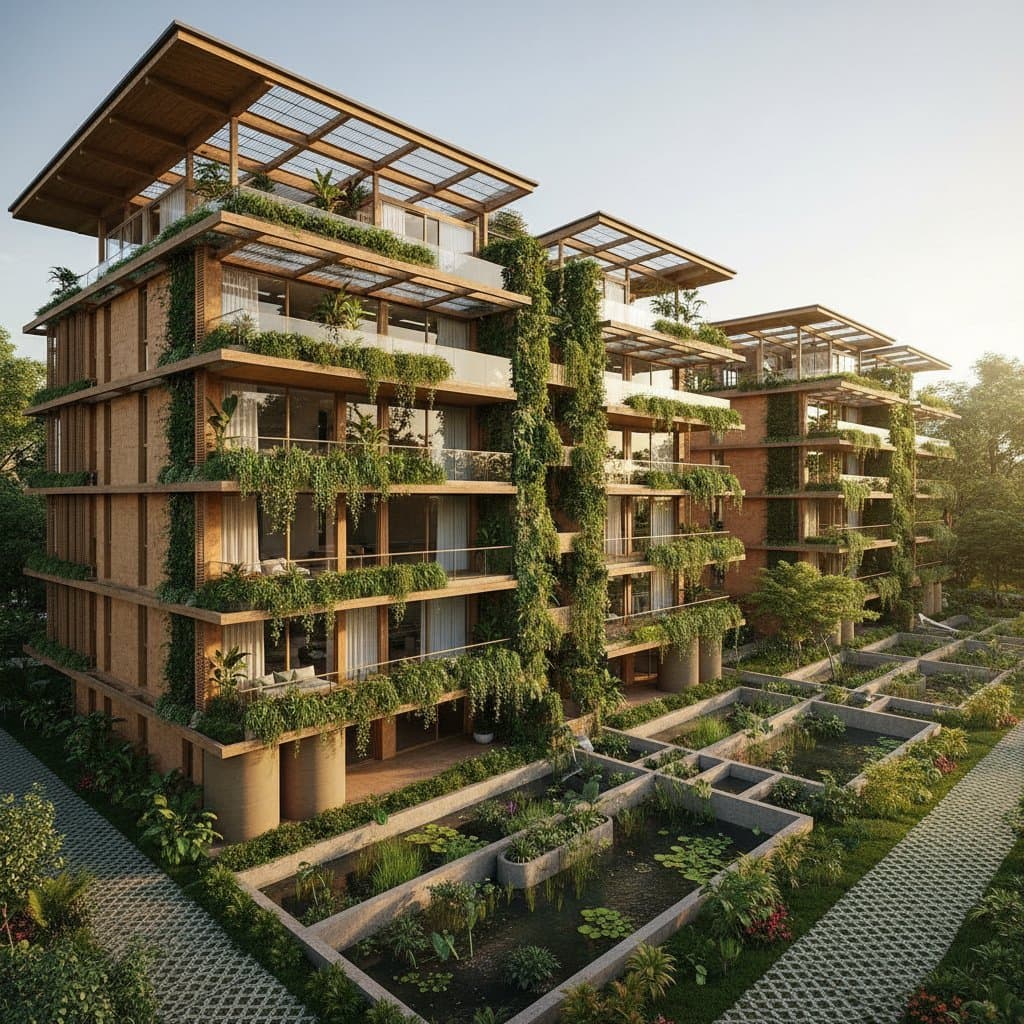
Buildings That Heal the Planet: Regenerative Design
Many people know about sustainable buildings designed to minimize environmental impact. Now consider structures that actively contribute to the Earth's recovery, such as homes that purify air, revive local ecosystems, and produce surplus energy. Regenerative design makes this possible by advancing past harm reduction toward proactive planetary restoration through thoughtful construction and occupancy.
Viewing the Broader Context
Sustainability focuses on limiting damage from human activities. Regenerative design poses a more profound challenge: how can buildings mend existing environmental wounds? The approach creates interconnected systems that bolster natural processes, improve soil quality, and fortify community resilience. In essence, it reimagines every structural element—from foundations to facades—as an ally in ecological renewal.
Core Principles of Regenerative Buildings
Regenerative buildings emerge from foundational principles that redefine construction practices.
-
Carbon-Negative Materials
Materials like hempcrete, derived from hemp fibers mixed with lime, or cross-laminated timber from sustainably managed forests sequester carbon during growth and processing. These choices result in buildings that remove more carbon dioxide from the atmosphere than they release, effectively acting as carbon sinks over their lifespan. -
Energy-Positive Systems
Integration of photovoltaic solar panels, ground-source heat pumps, and advanced lithium-ion battery storage enables buildings to generate excess renewable energy. This surplus can feed back into community grids, positioning the structure as a net contributor to regional energy resilience rather than a consumer. -
Water Cycle Restoration
Systems for harvesting rainwater, treating greywater through biofiltration, and incorporating living wetlands allow buildings to replenish groundwater and support surrounding hydrology. Such methods alleviate pressure on public utilities while enhancing local water quality and availability. -
Enhancing Biodiversity
Features including extensive green roofs with sedum plants, dedicated pollinator habitats using native wildflowers, and permeable landscaping draw birds, insects, and other species into developed areas. These elements transform urban sites into vital nodes in broader ecological networks. -
Supporting Human Health
Regenerative designs prioritize occupant wellbeing with abundant daylight via clerestory windows, mechanical ventilation that delivers fresh, filtered air, and biophilic elements like living walls. These aspects promote physical vitality, mental clarity, and a deeper sense of harmony with the natural world.
Steps Toward Regenerative Implementation
Achieving regenerative outcomes requires deliberate planning, yet it begins with accessible actions.
-
Evaluate the Site Thoroughly. Analyze soil composition, solar exposure, prevailing winds, and regional ecology to inform designs that harmonize with site-specific conditions.
-
Source Materials Locally. Opt for quarried stone, reclaimed wood, or adobe from nearby suppliers to cut transport-related emissions and stimulate regional economies.
-
Build for Long-Term Flexibility. Incorporate modular layouts and reversible fixtures that accommodate life changes without generating construction waste.
-
Engage Specialized Professionals. Partner with architects and contractors experienced in regenerative methods to integrate beauty, utility, and ecological benefits seamlessly.
Addressing Real-World Factors
Regenerative projects must navigate practical constraints, including budgets and regulations. Initial investments in features like insulated envelopes or rainwater systems often yield returns via reduced utility bills and minimal upkeep. Compliance with building codes remains paramount; for instance, solar installations and water treatment setups typically need engineering certifications and local approvals. Collaboration with certified experts ensures adherence to standards while advancing restorative objectives.
Advancing Your Regenerative Project
Regenerative design embodies a forward-looking commitment to environmental stewardship. Structures built or retrofitted under these principles—such as insulating with mycelium-based panels or adding vertical gardens—amplify collective efforts toward restoration. To initiate your initiative, reach out to contractors versed in these approaches. Post your project details on Doric South at no cost to connect with qualified experts aligned with your goals. In this way, your space evolves into a model of regenerative potential, yielding ecological gains that outpace its footprint and nurture thriving natural surroundings.